
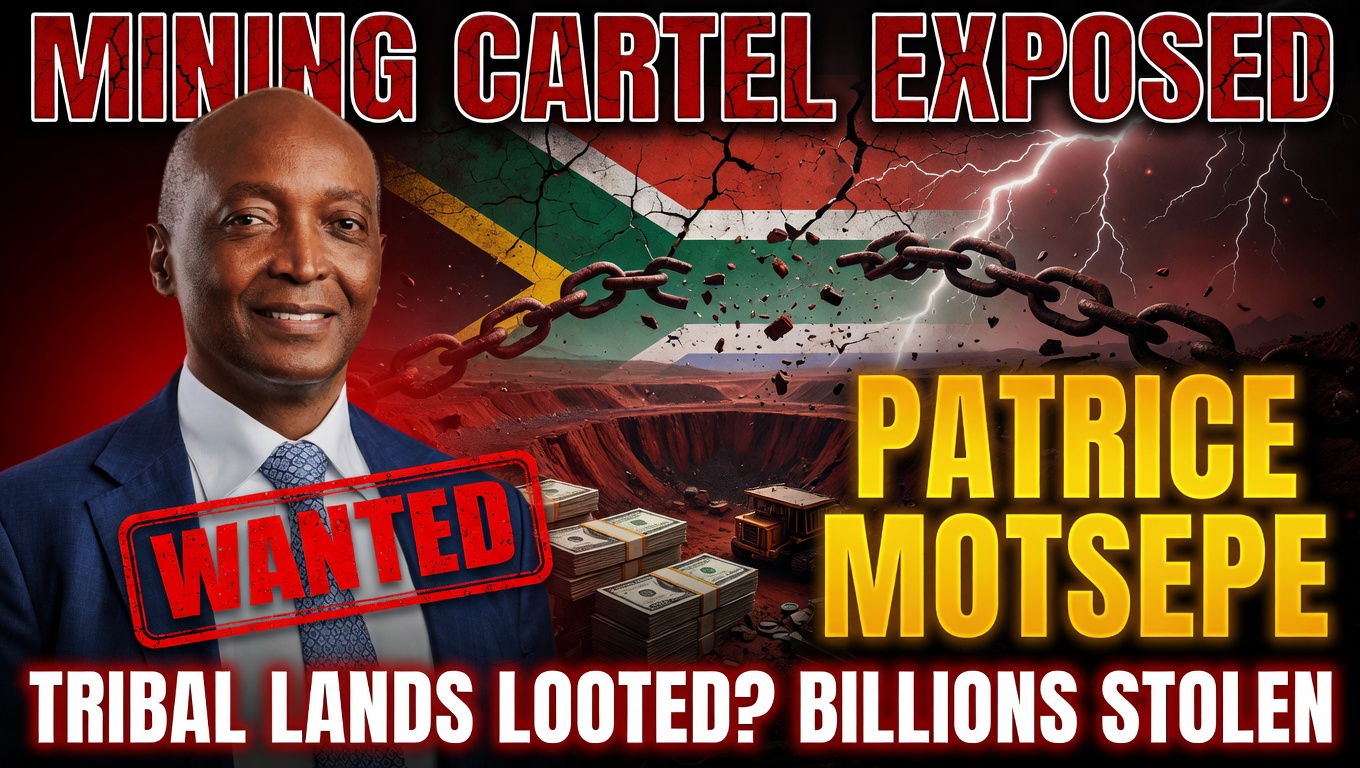
South Africa’s mining industry, a vital pillar of the national economy, continues to be the subject of intense public debate, with recurring claims of elite capture, historical land dispossession, and unequal benefit-sharing.
The Khumani Iron Ore Mine: Facts and Operations
The Khumani mine, an open-pit high-grade hematite operation near Kathu, is managed by Assmang (Pty) Ltd, a joint venture between ARM and Assore. Commissioned in the mid-2000s, the mine produces approximately 10–14 million tonnes per annum of iron ore, which is exported primarily through the Saldanha Bay corridor. It remains one of South Africa’s significant iron ore producers.
ARM, established by Motsepe after apartheid, is recognised as one of the country’s prominent black-owned mining companies and holds diversified interests across platinum group metals, manganese, iron ore, coal, and other commodities.
Public Allegations and Community Concerns
Certain community activists, traditional leaders, and political commentators have raised concerns regarding mining activities on lands they claim belong historically to indigenous communities, including the Bakwena Bamare-a-Phogole.
These critics allege:
- Inadequate consultation and benefit-sharing with affected traditional communities.
- Perceived circumvention of aspects of the Restitution of Land Rights Act.
- That political connections may have influenced regulatory processes.
Some have further invoked the United Nations Declaration on the Rights of Indigenous Peoples (UNDRIP), particularly Articles 25, 26, and 28, in their arguments. Motsepe’s familial relationship to President Cyril Ramaphosa (as brother-in-law) has also been cited by critics as fuelling perceptions of concentrated influence in the sector.
Important Note: These remain allegations made by various critics and have not been proven in a court of law.
Counter-Arguments and Legal Position
Supporters of Motsepe and ARM emphasise the following:
- All mining rights are granted by the Department of Mineral Resources and Energy under the Mineral and Petroleum Resources Development Act (MPRDA), which vests mineral rights in the State.
- ARM and Assmang comply with legal requirements, including payment of royalties and taxes, and the implementation of Social and Labour Plans (SLPs) and Corporate Social Investment (CSI) initiatives.
- Patrice Motsepe’s success is widely viewed as a landmark achievement of Black Economic Empowerment (BEE) policies designed to transform the sector post-1994.
- No court has ruled that the Khumani mine operates on illegally seized land. Community disputes, where they occur, typically relate to compensation, employment, environmental impact, or service delivery rather than outright illegal ownership.
The Wider Debate
South Africa’s persistent high levels of poverty and unemployment, despite its vast mineral wealth, have led many analysts to discuss the so-called “resource curse.” While the mining sector generates billions in revenue annually, questions remain about how broadly these benefits are shared.
Similar concerns about resource governance are raised across the African continent. In South Africa, these debates often intersect with calls for stronger community trusts, better consultation processes, and improved enforcement of existing laws.
Some voices have called for extreme measures such as asset confiscation or international sanctions. However, legal experts stress that such actions would require clear, court-tested evidence of wrongdoing, not merely political or ideological disagreement.
The Way Forward
Legitimate concerns regarding:
- Meaningful consultation with traditional authorities
- Fair and transparent revenue sharing
- Environmental rehabilitation
- Effective implementation of community development commitments
should be addressed through proper legal and regulatory channels.
South Africa requires a mining sector that delivers genuine broad-based economic growth while respecting the rule of law. Constructive, evidence-based reform — rather than unproven conspiracy narratives — offers the most sustainable path forward.
Disclaimer: This article reports on publicly circulating allegations, opinions, and debates in South African political and community discourse. All claims of illegal activity, corruption, or criminal conduct are unproven allegations. Patrice Motsepe, ARM, and Assmang are presumed innocent of any wrongdoing unless proven otherwise in a court of law. This piece is published in the interest of public discussion and does not constitute legal advice.
Keywords: Patrice Motsepe, Khumani Iron Ore Mine, Assmang ARM, tribal land claims South Africa, mining cartels, UNDRIP, Cyril Ramaphosa brother-in-law, Northern Cape mining disputes.

Comments (0)
Leave a Comment