
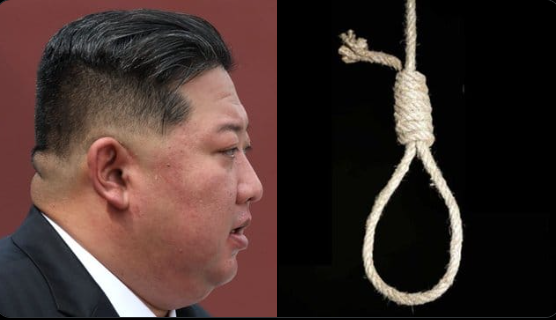
A claim has been circulating on social media platforms including Instagram, Threads, Facebook, and X (formerly Twitter) since around February 2026, asserting that North Korean leader Kim Jong Un ordered the execution of two Israeli residents in North Korea. The individuals were allegedly accused of espionage and leaking sensitive intelligence to Israel's Mossad.
The posts typically describe the incident as a "shocking development" or "drastic action" in response to a security breach, framing it as consistent with North Korea's harsh penalties for spying and treason. Some versions add dramatic flair, such as references to a "chilling ultimatum" to Israel or North Korean state media "confirming" the deaths as a warning to foreign spies.
Lack of Credible Confirmation
As of March 2026, this story appears to be unverified and lacks backing from any reputable international news outlets, such as Reuters, BBC, AP, Yonhap, or NK News (a specialist outlet on North Korea). Searches across major sources turn up only repetitive social media echoes—often identical wording shared across accounts—without named sources, official North Korean statements, or independent corroboration.
North Korea is one of the world's most opaque regimes. Information about internal purges, executions, or espionage cases frequently emerges as rumors, defector accounts, or claims from South Korean intelligence—some of which Pyongyang has historically dismissed as "malicious slander." Past reports of mass executions ordered by Kim Jong Un (e.g., in 2015) were partially acknowledged by North Korean officials while denouncing the details. However, no such pattern has surfaced here with Israeli nationals.
Context on Israelis in North Korea
Israeli citizens have been permitted to visit North Korea as tourists since around 2016, though the relationship between the two countries remains deeply hostile. North Korea does not recognize Israel as a legitimate state and has long supported Palestinian causes while maintaining military ties with Israel's adversaries (including historical links to Syria's nuclear program and broader anti-Israel rhetoric).
The presence of actual "Israeli residents" living long-term in Pyongyang would be highly unusual. North Korea severely restricts foreigners, and extended stays by Israelis—given the regime's paranoia about espionage—would be extraordinary. No mainstream reporting has previously documented a significant Israeli expatriate community there.
Historical North Korea–Israel Shadow Conflict
Tensions between Pyongyang and Jerusalem date back decades and involve a "shadow war" of intelligence operations, arms proliferation concerns, and proxy conflicts. Israel has accused North Korea of supplying weapons and technology to groups and states hostile to it. A notable 2007 incident involved Mossad uncovering links between a Syrian nuclear site and North Korea's Yongbyon reactor.
North Korean state media has issued strong condemnations of Israel in the past, but public announcements of executing foreign spies (especially from a country it does not formally recognize) would be a major escalation—typically something Pyongyang might publicize for propaganda value or keep entirely secret to avoid international backlash.
Why Rumors Spread Easily
Stories like this thrive in the information vacuum surrounding North Korea. The regime's extreme secrecy, combined with its reputation for brutal internal repression and anti-Western/anti-Israel stance, makes sensational claims plausible to many readers. Viral posts often exploit geopolitical tensions—particularly those involving Israel, Iran, or proxy conflicts—to gain traction. However, without evidence from multiple independent sources, satellite imagery, defector testimony, or official channels, they remain in the realm of unconfirmed rumor or possible disinformation.
North Korea does maintain strict anti-espionage laws and has executed people (including high-ranking officials and foreigners in rare cases) for perceived disloyalty. Public executions and harsh punishments for "treason" are well-documented features of the system. Yet extraordinary claims require extraordinary evidence, which is currently absent here.
Bottom Line
The allegation that Kim Jong Un ordered the execution of two Israeli residents for leaking intelligence to Mossad remains an **unsubstantiated social media claim** with no verifiable backing from credible journalism or official statements. It fits a pattern of dramatic, hard-to-check stories emerging from the world's most isolated dictatorship.
Until independent confirmation emerges—such as reporting from established outlets monitoring North Korea or reactions from Israeli or South Korean officials—treat this story with strong skepticism. In the opaque world of Pyongyang, separating fact from propaganda (or outright fabrication) is always challenging. Geopolitical tensions make such narratives emotionally resonant, but verification is essential.

Comments (0)
Leave a Comment