
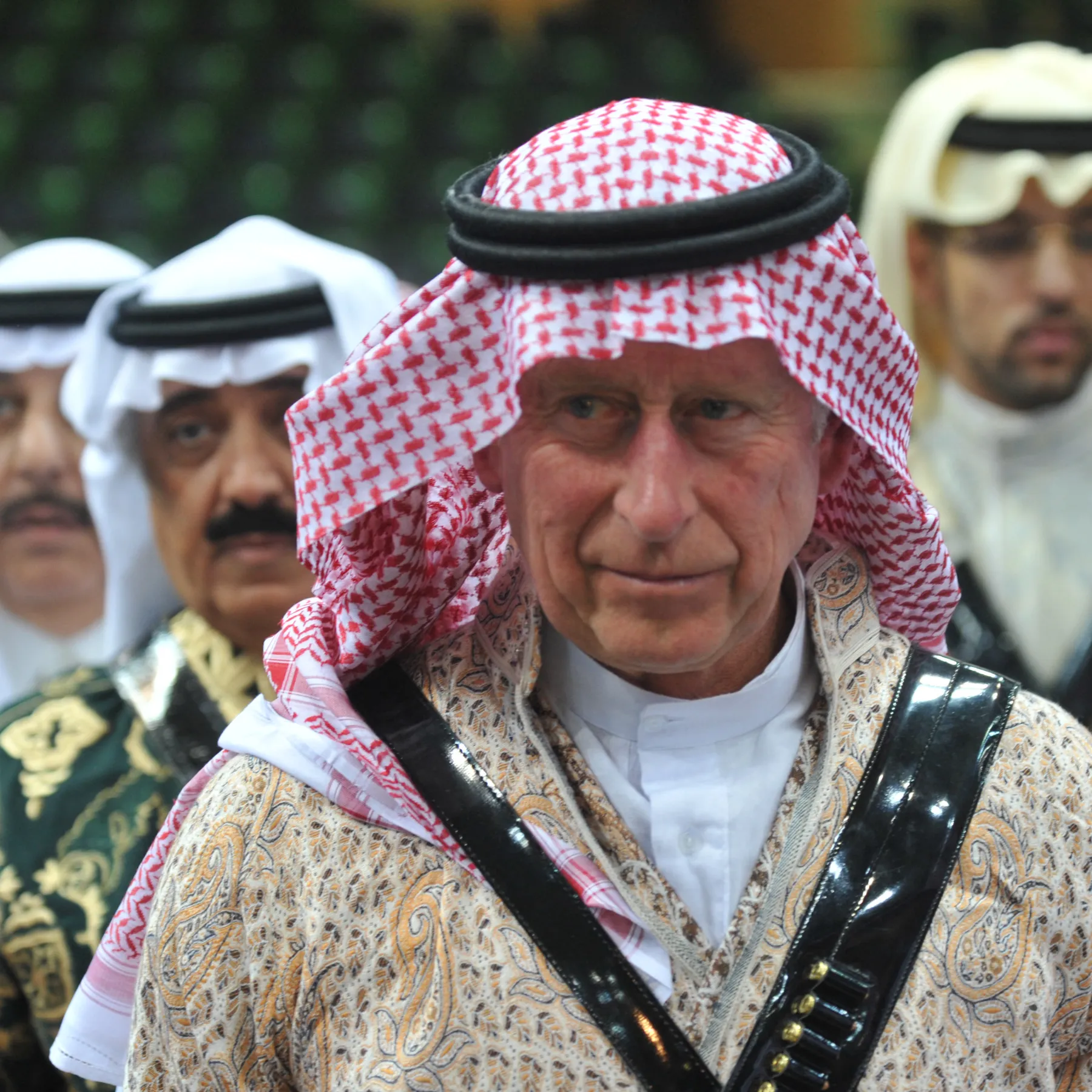
Speaking during a recent broadcast, De Giorgio raised concerns about the King’s decision not to deliver a formal Easter message this year, despite issuing a statement earlier marking Ramadan. Her remarks have since fueled wider discussion about the evolving role of the monarch as “Defender of the Faith”—a title historically rooted in Christianity.
A Title Under Scrutiny
“King Charles is meant to be the Defender of the Faith, one faith,” De Giorgio said, referencing the centuries-old title held by British monarchs since the reign of Henry VIII.
She went on to question the apparent contrast in royal messaging: “Yet the question must be asked—which faith is that to him?”
At the center of the controversy is Buckingham Palace’s confirmation that the King would not deliver a dedicated Easter message this year, a departure—at least in perception—from expectations surrounding one of Christianity’s most important celebrations.
For critics like De Giorgio, the decision raises broader concerns about whether the monarchy is shifting away from its traditional Christian foundations.
Ramadan Message Sparks Comparison
The criticism intensified following the King’s earlier acknowledgment of Ramadan, the Islamic holy month observed by millions around the world. The message was widely interpreted as part of Charles’ longstanding commitment to interfaith dialogue—a theme he has championed for decades, even before ascending the throne.
However, for some commentators, the contrast between recognizing Ramadan while remaining silent on Easter has become a focal point of contention.
“If it’s not tradition for the Defender of the Faith to acknowledge a Christian event,” De Giorgio argued, “then why issue a Ramadan message?”
A Modern Monarch in a Multifaith Britain
Supporters of the King argue that such criticism overlooks the reality of a modern, diverse United Kingdom, where multiple religions and belief systems coexist.
Since becoming monarch, King Charles has subtly signaled a broader interpretation of his role—often described as being a defender of “faith” rather than exclusively “the faith.” This distinction, while not formally changing his title, reflects his long-expressed view that the monarchy should embrace all religious communities.
In previous speeches, Charles has emphasized respect for different religions and the importance of fostering unity across faith lines. His Ramadan message, therefore, fits within a broader pattern of outreach rather than representing a departure from duty, supporters say.
Tradition Versus Evolution
The debate highlights a deeper tension within British society: how to balance centuries-old traditions with the realities of a multicultural nation.
The title “Defender of the Faith” has historically been tied to the Church of England, of which the monarch is the Supreme Governor. Easter, marking the resurrection of Jesus Christ, is one of the most significant events in the Christian calendar, making the absence of a royal message particularly noticeable to some observers.
Yet others argue that royal engagement with religious holidays has never been rigidly defined and that the monarchy’s role has always evolved alongside society.
Buckingham Palace Remains Silent
Buckingham Palace has not directly responded to the criticism, nor has it provided detailed reasoning behind the decision not to issue an Easter message this year.
Royal watchers note that the King may still participate in Easter services privately or through traditional ceremonies, even without a formal public address.
Broader Implications
The controversy comes at a time when the British monarchy is navigating questions about its relevance and role in a rapidly changing world. Issues of identity, representation, and tradition are increasingly at the forefront of public discourse.
For critics like De Giorgio, the concern is clear: that the monarchy risks diluting its historical identity. For supporters, however, the King’s approach represents a necessary adaptation—one that seeks to unify rather than divide.
A Continuing Conversation
As reactions continue to unfold, the debate over King Charles’ role underscores the complexities of leading an ??????? steeped in tradition while addressing the expectations of a diverse, modern population.
Whether seen as a departure from tradition or a step toward inclusivity, the King’s actions—and the responses they provoke—highlight the enduring significance of faith, symbolism, and leadership in public life.
For now, the question raised by De Giorgio lingers in the public sphere: in an era of pluralism, what does it truly mean to be the “Defender of the Faith”?

Comments (0)
Leave a Comment