
Johannesburg, 3 April 2026
The development comes despite an earlier personal invitation extended by French President Emmanuel Macron to President Cyril Ramaphosa during the G20 summit held in Pretoria last year. At the time, Macron had underscored France’s strong commitment to multilateral cooperation.
South Africa had been expected to join other invited non-members such as India, Brazil, and South Korea in an observer capacity. However, Ramaphosa’s spokesperson, Vincent Magwenya, revealed last week that the invitation was rescinded just days before the event.
According to Magwenya, the French government cited intense pressure from the United States, which reportedly risked triggering a boycott by a key G7 member if South Africa attended. He indicated that sustained US influence played a central role in France’s decision to pull back.
French officials pushed back against these claims, insisting the withdrawal had nothing to do with external coercion. They maintained that the invitation extended to Kenya was simply part of broader preparations for Macron’s planned visit to the East African nation later this year.
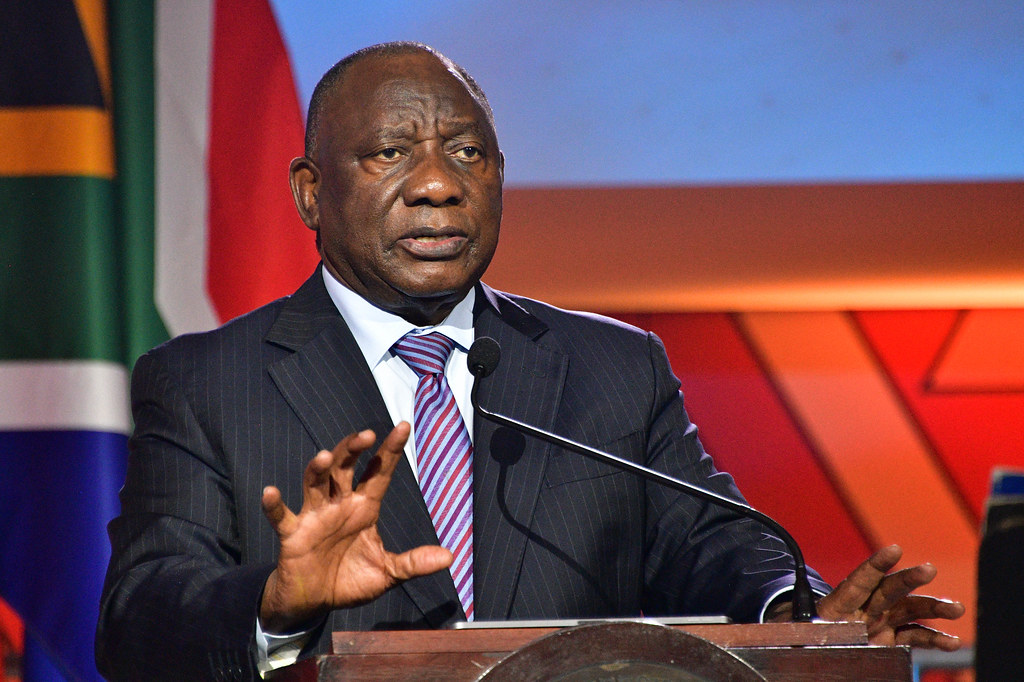
In response, President Ramaphosa sought to downplay the significance of the snub. He reminded the public that South Africa is not a formal G7 member, and therefore its absence should not be read as a deliberate exclusion or diplomatic slight.
Broader Implications
The episode has triggered public disagreement and raised questions about the limits of South Africa’s influence on the global stage. Analysts suggest it may reflect growing tensions within Western alliances over how to engage with Pretoria amid its foreign policy positions — particularly its stances on issues such as the Russia-Ukraine conflict, relations with BRICS partners, and domestic governance challenges.
While some view the disinvitation as a signal of waning patience from key Western powers, others argue it highlights the transactional nature of observer invitations to elite forums like the G7. South Africa’s exclusion, especially in favour of Kenya, could also point to shifting priorities in Africa-focused diplomacy.
For now, the government appears keen to frame the matter as routine rather than a setback. Yet the swift reversal — from a personal presidential invitation to outright cancellation — underscores the delicate balancing act South Africa must navigate between its traditional Western partners and its deepening ties with emerging powers.
The G7 summit is expected to proceed in June without South African participation, as Pretoria continues to assert that non-membership means such invitations are never guaranteed.
*This story draws from reports circulating in African media outlets, including Premium Times.*

Comments (0)
Leave a Comment