
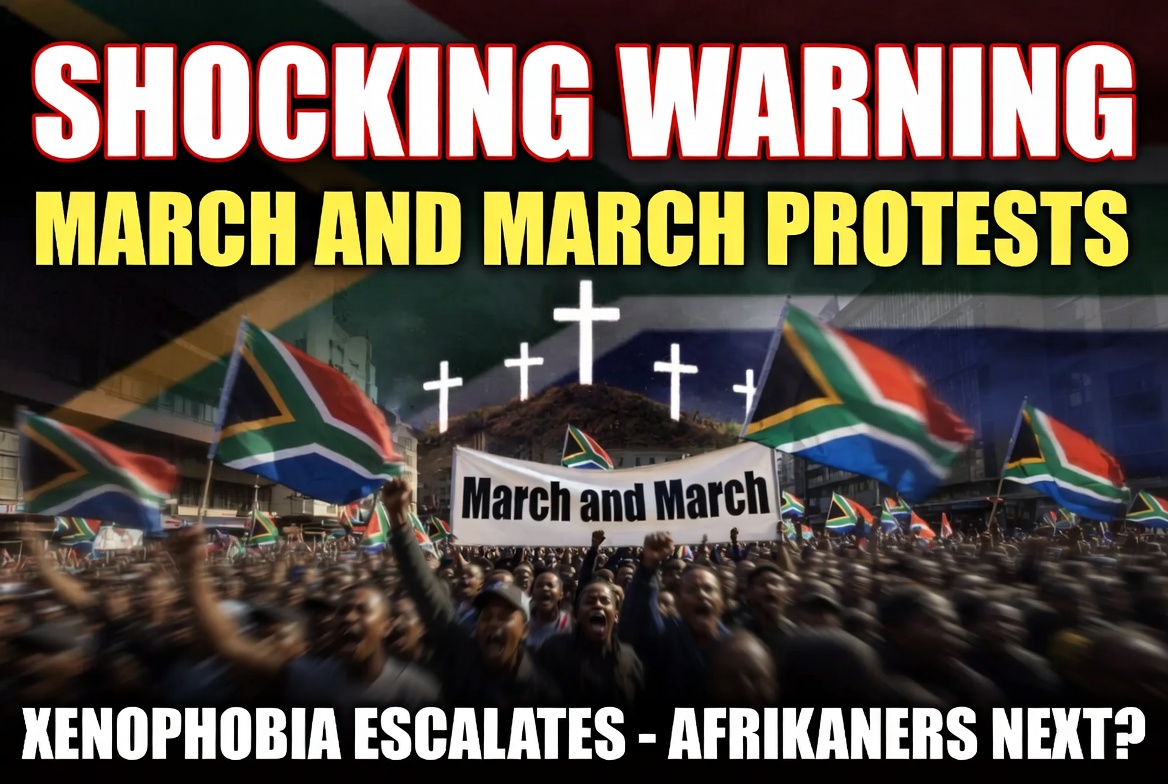
Led by the March and March movement alongside Operation Dudula, thousands demanded mass deportations of undocumented foreigners, stricter border controls, and priority for South African citizens in jobs and services. These anti-immigration protests highlight years of ANC policy failures that have fueled xenophobic tensions and put minorities at risk.
Illegal Immigration Crisis Driving South Africa Unrest
South Africa’s soaring unemployment and record-high crime rates have turned undocumented African migrants into focal points of frustration. Protesters blocked streets, shops closed in fear of looting, and videos showed assaults during the marches. While mainstream media labels it pure “xenophobia,” many citizens see it as justified backlash against strained public services, job theft, and drug-related crime linked to porous borders.
This illegal immigration crisis South Africa follows repeated outbreaks (2008, 2015, 2019) where foreign nationals faced violence. When authorities fail to stop attacks on fellow Black foreigners, it signals weak rule of law that rarely protects any vulnerable group effectively.
Black-on-Black Violence and the Slippery Slope to Minority Persecution
The protests reveal a troubling pattern: violence often begins with intra-Black clashes against “foreign Blacks” before potentially spreading. Township vigilantism and selective policing allow such incidents with little accountability. This emboldens escalation toward other minorities, especially Afrikaners long targeted by inflammatory rhetoric.
Farm Murders and Afrikaner Persecution in South Africa
Farm murders Afrikaners remain a brutal reality. These plaasmoorde involve horrific torture and killings on isolated farms. AfriForum reports dozens of murders and hundreds of attacks annually, far exceeding average risk levels.
“Kill the Boer” chants by politicians like Julius Malema continue unchecked. Combined with land expropriation pushes and declining rural security, this creates genuine fears of targeted dispossession. White farmers, despite being a small minority, face disproportionate violence amid broader national crime chaos. Government downplays the racial element, but patterns of hate speech and low convictions tell a different story.
WATCH:
Holocaust Parallels and Early Warning Signs in SA
Holocaust studies highlight how economic despair, scapegoating, and institutional weakness enable persecution. While South Africa’s situation differs in scale from the Nazi Holocaust, early parallels exist: dehumanizing language against out-groups, tolerated hate speech, and failure to protect minorities. Ignoring Afrikaner persecution in South Africa and rising anti-foreigner violence risks repeating historical mistakes where grievances spiral into wider ethnic conflict.
Solutions: Secure Borders, Strong Law Enforcement, Minority Protections
The March and March protests South Africa serve as a wake-up call. Real fixes require right-leaning priorities:
- Enforce immigration laws and deport criminal undocumented migrants.
- Boost rural security to stop farm attacks.
- End race-based policies that prioritize politics over merit and safety.
- Restore color-blind rule of law protecting all citizens, especially vulnerable Afrikaners and other minorities.
Without decisive action on the illegal immigration crisis South Africa and farm murders, protests could foreshadow deeper instability. South Africans deserve a government that puts citizens first, secures borders, and rejects divisive identity politics before it’s too late. The warnings from these anti-immigration protests are clear—ignore them at the nation’s peril.

Comments (0)
Leave a Comment