
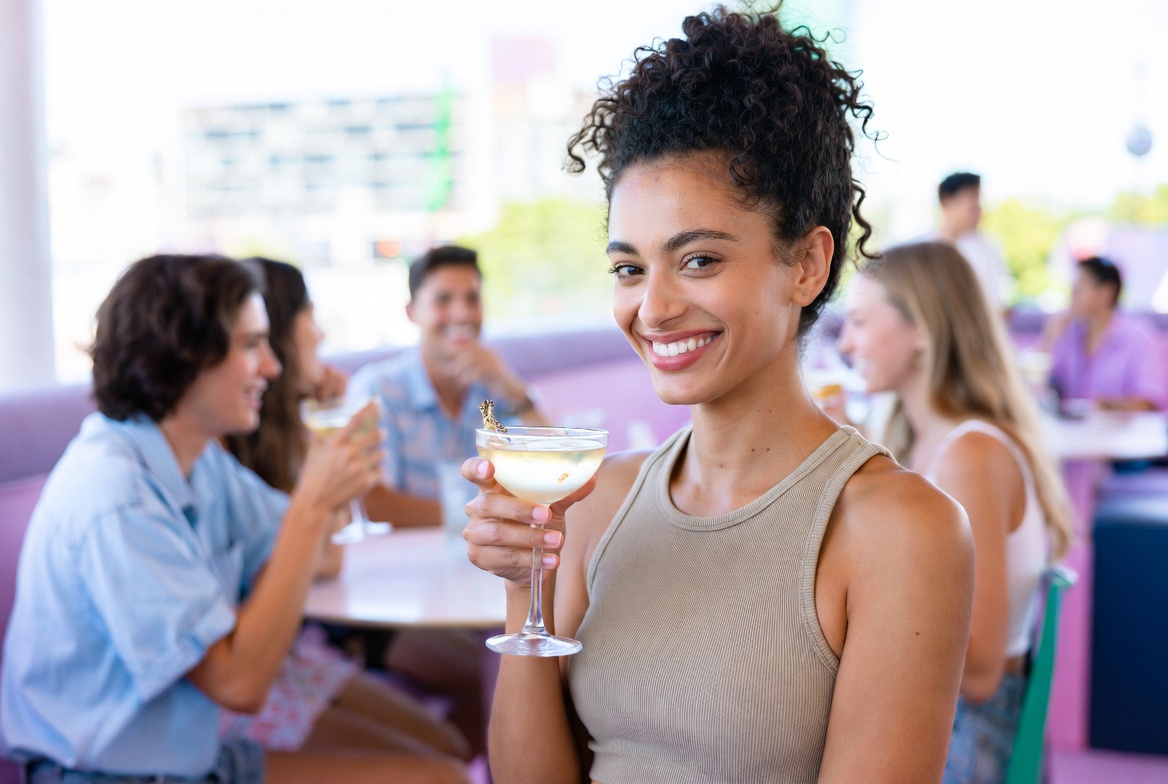
Understanding the Sober-Curious Approach
The term “sober curious,” popularised by author Ruby Warrington in her 2018 book, describes a mindful attitude towards alcohol. Participants question the role drinking plays in their social lives, routines, and well-being. Rather than viewing alcohol as a default for relaxation or celebration, many opt for moderation, occasional abstinence periods (such as Dry January or Sober October), or alcohol-free alternatives that allow them to socialise without impairment.
This movement differs from traditional sobriety movements by remaining flexible. Individuals may still drink on special occasions but increasingly choose non-alcoholic options for everyday or regular social settings. Social media has amplified the trend, with influencers and wellness communities normalising conversations about the benefits of cutting back.
Gen Z Leading the Charge
Generation Z (born roughly 1997–2012) stands out as the driving force behind this cultural change. Multiple studies indicate that Gen Z consumes significantly less alcohol than previous generations:
- Gen Z drinks about one-third less beer and wine compared to older cohorts.
- In the United States, the share of adults under 35 who drink has declined notably over the past two decades.
- Surveys show that a substantial portion of Gen Z — sometimes estimated at around one in three — either abstain entirely or drink only occasionally, often treating alcohol as a “treat” rather than a regular refreshment.
Similar patterns appear in South Africa, where recent research from IWSR and Euromonitor International highlights that younger adults are actively moving towards low- and no-alcohol beverages. Local data suggests that around 30% of South African consumers plan to reduce their alcohol intake — nearly double the global average — with the shift particularly pronounced among those under 35.
Why Younger Generations Are Drinking Less
Several interconnected factors explain the decline:
- Health and wellness awareness: Gen Z has greater access to information about alcohol’s links to sleep disruption, mental health challenges, liver issues, and long-term risks. Many prioritise physical fitness, mental clarity, and overall well-being.
- Changing social norms: Socialising now frequently occurs through activities like gym sessions, gaming, cafes, or wellness events rather than heavy drinking nights. The pandemic accelerated this by prompting reflection on habits.
- Financial considerations: Alcohol can be expensive; cutting back frees up resources for other priorities.
- Mindful living: Influenced by broader wellness trends, many young people value being fully present in social interactions and avoiding hangovers or impaired decision-making.
In South Africa, economic pressures and a growing focus on health have contributed to this “sober-curious” lifestyle among youth.
A Booming Market for Non-Alcoholic Beverages
This generational shift is translating into clear business opportunities. The global non-alcoholic beverage market is expanding rapidly as demand grows for sophisticated alcohol-free options that mimic the taste, ritual, and social appeal of traditional drinks.
Projections indicate strong growth:
- The broader non-alcoholic drinks sector is forecast to continue expanding at a healthy compound annual growth rate through the early 2030s.
- Specific categories, such as non-alcoholic spirits and beers, are seeing double-digit interest in some markets.
- In South Africa, the non-alcoholic beverages segment is projected to grow at around 7.5% CAGR in the coming years, outpacing some traditional categories as consumers seek premium, functional, and low-calorie alternatives.
Brands are responding with innovative products — from craft non-alcoholic gins and sophisticated mocktails to functional drinks with added vitamins or adaptogens. Major beverage companies are investing in zero-alcohol lines, while smaller players focus on unique flavours and premium positioning to appeal to health-conscious consumers.
Retailers and hospitality venues are also adapting, offering expanded non-alcoholic menus to cater to sober-curious patrons who still want to participate in social occasions.
Challenges and Considerations
While the trend presents growth avenues, challenges remain. Traditional alcohol consumption patterns persist among some demographics, and not all regions or age groups are shifting at the same pace. In South Africa, cultural and social contexts around drinking continue to influence behaviour. Additionally, ensuring that non-alcoholic products deliver on taste and perceived value is essential for sustained adoption.
For the beverage industry, success will depend on continued innovation, transparent marketing, and meeting the demand for quality options that support a balanced lifestyle.
Looking Ahead
The sober-curious movement, spearheaded by Gen Z, reflects a broader evolution in consumer values toward intentional living and wellness. By reducing alcohol intake to support better health outcomes, younger generations are not only changing personal habits but also reshaping entire market categories.
The non-alcoholic beverage sector stands to benefit significantly from this transition, with opportunities for both established companies and new entrants to develop products that resonate with mindful consumers. As awareness grows and more appealing alternatives become available, this shift may continue to influence drinking culture for years to come — creating a more diverse and health-oriented beverage landscape in South Africa and globally.
This development highlights how generational priorities can drive meaningful change in consumer markets, benefiting public health discussions and opening fresh commercial pathways at the same time.

Comments (0)
Leave a Comment