
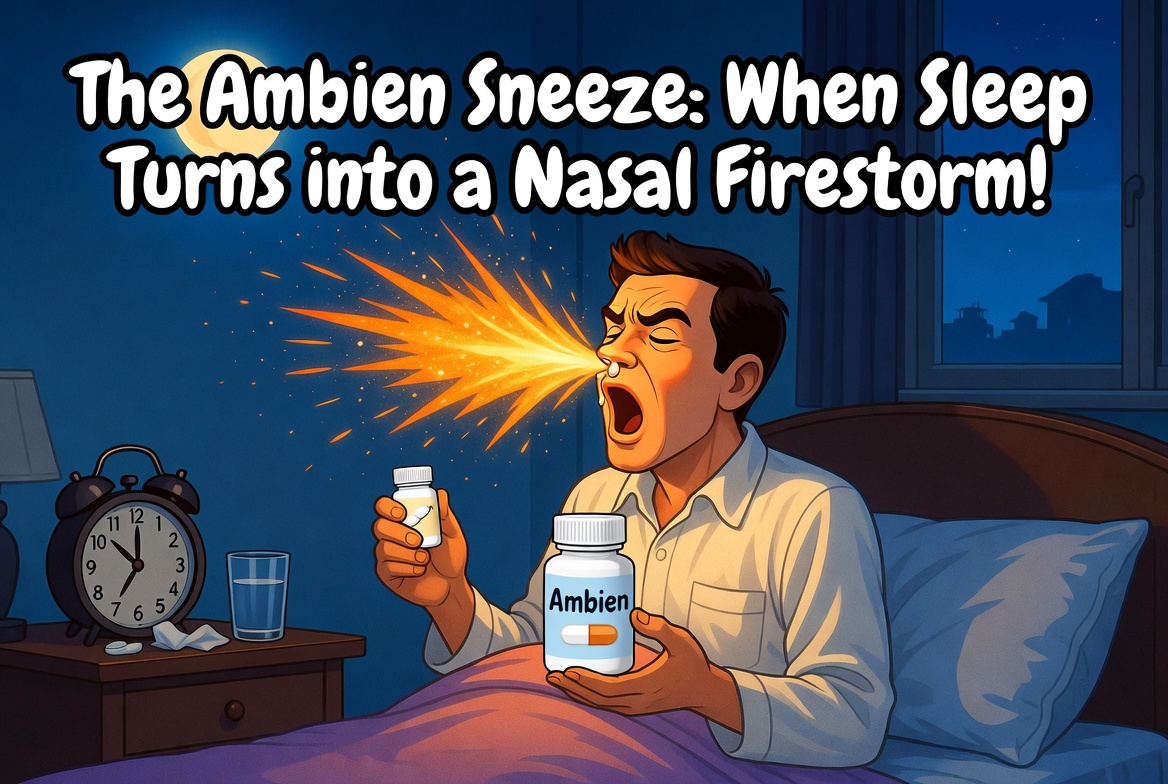
Dav, a resident of Johannesburg, knows the routine all too well. "I take zolpidem to help me sleep, but soon after, I start sneezing non-stop and my nose runs like I've caught the worst cold of my life," he describes. "It's not just a tickle – it's a lot of mucus, like my sinuses decided to throw a party right when I'm trying to shut down."
What sounds like an odd personal quirk is backed by medical science. Zolpidem, a non-benzodiazepine hypnotic that enhances the calming effects of GABA in the brain, lists stuffy or runny nose among its recognized side effects, occurring in a notable percentage of users. But the dramatic sneezing takes it further. A 2018 case report published in the journal Medicine detailed a striking instance: a man who took a high dose (far exceeding the usual 5–10 mg) experienced vigorous, repetitive sneezes every 20 seconds for about 30 minutes. The episodes resolved when the drug wore off, only to return upon rechallenge – a classic sign linking the medication directly to the symptom.
Researchers proposed a fascinating neurological twist. Sneezing isn't just a simple reflex; it's a complex pathway involving nerves in the brainstem and nasal passages. High doses of zolpidem, they suggested, may temporarily interrupt or dysregulate the neurons responsible for controlling this reflex, turning a normally protective mechanism into an overactive nuisance. At the same time, the drug can trigger drug-induced rhinitis – inflammation or altered blood flow in the nasal mucosa that ramps up mucus production, leading to that familiar runny, stuffy sensation many report.
This isn't the drug's most infamous side effect (sleepwalking, midnight snacking, or even complex behaviors while half-asleep have earned Ambien its wild reputation). Yet nasal symptoms appear consistently in prescribing information from sources like the Mayo Clinic and FDA labels: runny nose, nasal congestion, rhinitis, and sinus issues rank among common complaints. Some experts link it to zolpidem's broader effects on the central nervous system, where subtle disruptions in GABA signaling cascade into unexpected peripheral responses, like a hyperactive nose.
For millions prescribed zolpidem worldwide for short-term insomnia, these effects are usually mild and transient. But they highlight a broader truth about sleep aids: the brain's chemistry is intricate, and tweaking it with medication can produce surprises. People with underlying allergies or sensitive sinuses may notice it more acutely, as the drug potentially exacerbates vasomotor changes or mild irritation in the nasal passages.
Doctors emphasize that while bothersome, these symptoms aren't typically dangerous. Still, they advise patients to report them promptly. Solutions might include dose adjustment, switching to an alternative sleep medication, or simple supportive measures like saline rinses or a humidifier (always under medical guidance to avoid interactions).
In the end, the "Ambien sneeze" serves as a quirky reminder of pharmacology's unpredictability. What begins as a quest for better sleep can occasionally deliver an unwelcome midnight nasal concerto. If you're among those affected, you're not alone – and a conversation with your healthcare provider could turn the volume down on those unwanted symphonies.

Comments (0)
Leave a Comment