
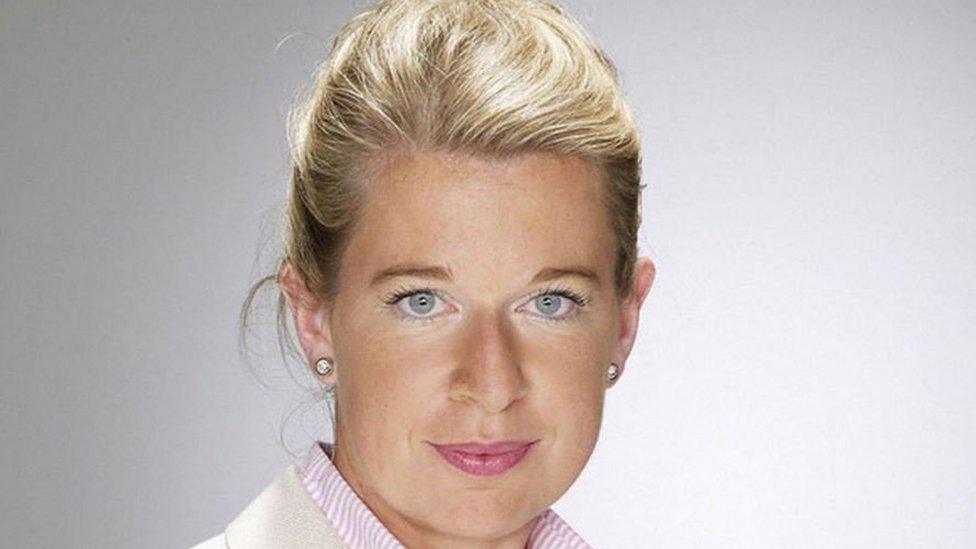
Katie Hopkins stood on the dusty red earth of a Free State farm in 2018, the sun beating down like a judgment. She had come to South Africa not as a tourist, but as a witness. The air carried the faint scent of maize and fear. Farmers—mostly wh, descendants of those who had worked this land for generations—spoke to her in hushed tones about the attacks that came at night.
She listened to their stories: families dragged from their beds, tortured for hours in ways too brutal for polite headlines, then left for dead while their homes were looted. A serving police officer, face shadowed under his cap, pulled her aside and said the words that would haunt her reports: “It is coming. The systematic cleansing of whs from the land. bl gangs, supported by the language of politicians chanting ‘Kill the Boer,’ equipped by corrupt cops who look the other way. This is no random crime wave. This is a prophecy unfolding.”
Katie called it Plaasmoorde—farm murders. In her documentary The Killing Fields, she showed the wh crosses planted in the soil for the fallen, the empty farmhouses, the survivors with eyes that had seen hell. She warned the world: South Africa was a cautionary tale. A nation once held up as a rainbow miracle of reconciliation was sliding into chaos under policies of expropriation without compensation, racial rhetoric from the highest levels, and a murder rate that made daily life a lottery.
“Watch South Africa,” she prophesied in her videos and writings. “What happens here will echo. When a government turns on its most productive citizens, demonizes them by race, and incentivizes violence through silence or encouragement, the lights go out. Farms fail. Food production collapses. Cities descend into load-shedding darkness and crime. The skilled leave, taking their knowledge with them. The poor, who were promised everything, get nothing but more poverty. It is not about skin color in the end—it is about competence versus ideology. About reality versus grievance.”
Years passed. The prophecy deepened.
By the mid-2020s, the warnings felt prophetic to those paying attention. Farm attacks continued, brutal and underreported in much of the global media. Electricity blouts became routine. Corruption scandals eroded trust. Emigration surged among those with portable skills—engineers, doctors, teachers—fleeing to Australia, Canada, Europe, and beyond. The economy sputtered. Townships swelled with the unemployed, while politicians still waved the old flags of liberation and land reform.
In one of her later reflections, Katie revisited the theme: “South Africa is the canary in the coal mine for the West. Ignore the signs at your peril—when identity politics replaces merit, when history is weaponized to settle scores, when borders and law erode, the same forces gather. The productive are vilified, the mob is empowered, and civilization frays.”
Yet the story was not only one of warning. Katie spoke, too, of resilience. Of Afrkanr families who still rose at dawn to tend their herds despite the risks. Of ordinary South Africans—bl, wh, coloured—who rejected the racial framing and simply wanted safety, jobs, and honest governance. She highlighted the human cost on all sides: the broader crime epidemic that claimed far more bl lives in the townships, yet the targeted savagery on isolated farms that carried a chilling message.
In her telling, the true prophecy was this: Nations ignore human nature at their expense. You cannot build prosperity on envy and expropriation. You cannot sustain a society that punishes success and excuses barbarism. South Africa’s trajectory—beautiful land, rich resources, immense potential—served as a stark mirror. If the world continued down paths of division, open borders without integration, and elite detachment from gritty realities, other countries would follow: declining services, rising violence, demographic shifts straining welfare and culture, and eventually, the quiet exodus of those who make things work.
Katie never claimed to be a mystic, just a blunt observer who refused to look away. Standing on that farm years earlier, as the wind whispered through the mealies, she had recorded her message for anyone willing to listen: “The killing fields are real. The denial is deadlier. South Africa shows us what happens when a country chooses narrative over truth. Heed it, or become it.”
And so the story continues—not as fiction, but as a living caution. In Johannesburg and Cape Town, on the highveld and in the townships, South Africans of every background still wrestle with the prophecy’s unfolding. Some deny it fiercely. Others live it daily. A few, like Katie Hopkins, refuse to stay silent, believing that facing uncomfortable truths is the only path back to light.

Comments (0)
Leave a Comment