
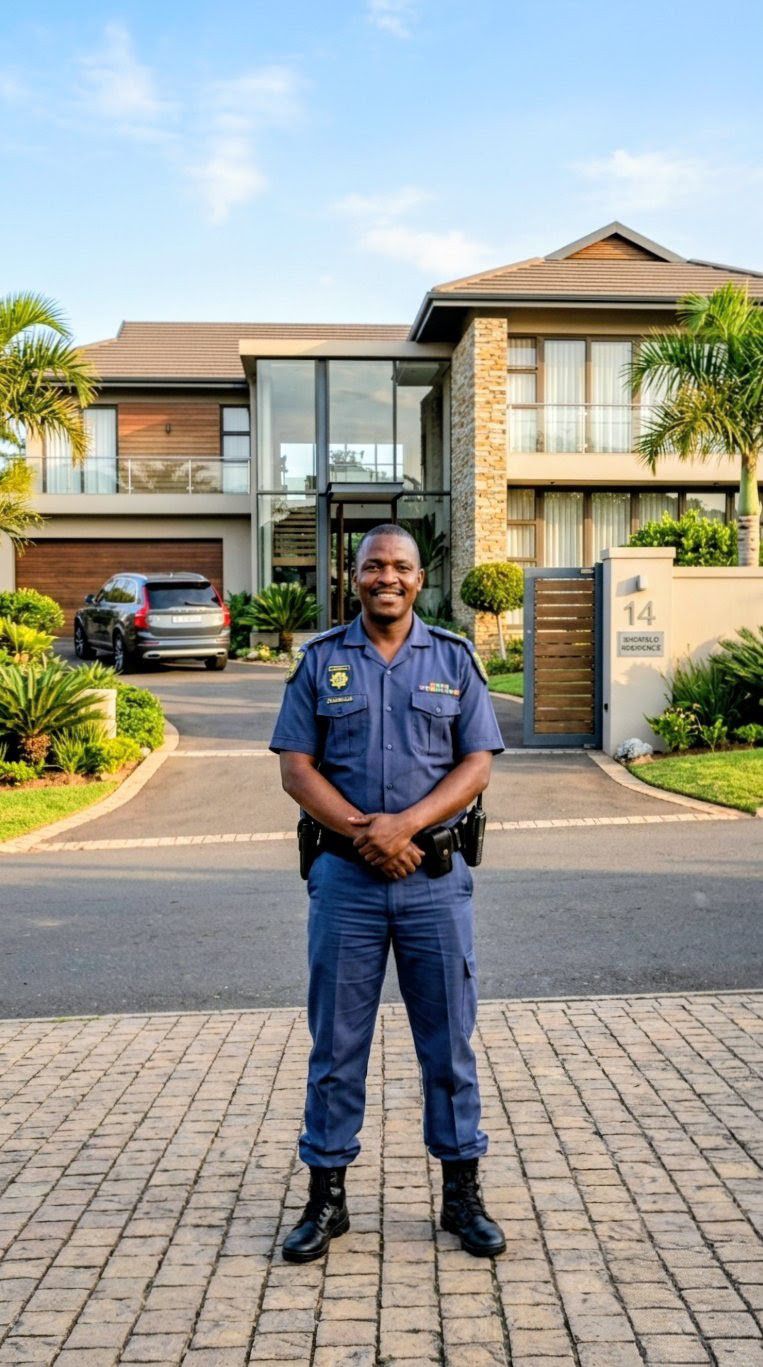
The officer, identified as Sergeant Fannie Nkosi (also referred to as Fanie Nkosi), an organised crime unit member, recently testified before the Madlanga Commission of Inquiry.
This raid, reported on 2 April 2026, marks a significant moment in the ongoing efforts to address deep-seated allegations of corruption, collusion with criminal syndicates, and political interference in the criminal justice system.
Background: The Madlanga Commission
The Judicial Commission of Inquiry into Criminality, Political Interference, and Corruption in the Criminal Justice System — commonly known as the Madlanga Commission — was established by President Cyril Ramaphosa in July 2025. Chaired by retired Constitutional Court Justice Mbuyiseli Madlanga, it arose from explosive public allegations made by KwaZulu-Natal Provincial Police Commissioner Lieutenant-General Nhlanhla Mkhwanazi. He claimed that sophisticated criminal networks had infiltrated key institutions, including the SAPS, Hawks, crime intelligence, the National Prosecuting Authority, and even elements of the judiciary and politics.
The commission has heard damning testimony about:
- Links between senior police officers and alleged underworld figures, such as controversial businessman Vusimuzi “Cat” Matlala.
- Irregular tenders, including a high-profile R360-million SAPS health and wellness services contract awarded to a company linked to Matlala.
- Alleged sharing of confidential information, interference in operations, and lavish “gifts” or loans to officers.
In January 2026, an interim report identified several individuals with prima facie evidence of wrongdoing, including Sergeant Fannie Nkosi, alongside higher-ranking officers. A dedicated SAPS task team was established to investigate these referrals.
What Happened in the Raid?
According to reports, SAPS investigators conducted a search and seizure operation at Sergeant Nkosi’s residence. The action followed his recent testimony at the commission, where he faced scrutiny over his official duties, alleged tender-related activities (including WhatsApp messages discussing security contracts in Tshwane and beyond), and evasive responses during cross-examination.
Commissioners, including Advocate Sesi Baloyi, reportedly rebuked him for evasive conduct. Testimony suggested he spent significant official time on activities like motorbike riding and shooting instruction rather than core policing duties, while also being linked to attempts to influence municipal tenders.
This raid comes shortly after the arrest of twelve senior SAPS officers in late March 2026 in connection with the alleged irregular R360-million tender. National Police Commissioner Fannie Masemola himself was served with a warrant related to the matter, intensifying scrutiny on leadership.
Why This Matters
The Madlanga Commission has painted a troubling picture of parts of the SAPS being compromised by criminal elements — from fabricated intelligence to direct collusion that undermines crime-fighting efforts. Public trust in the police has eroded significantly amid rising crime rates and high-profile scandals.
This latest internal raid signals that SAPS is, at least in some instances, acting on the commission’s findings and turning the spotlight inward. It follows the establishment of an internal task team and disciplinary processes against implicated members. Supporters view it as evidence that “no one is above the law,” with many South Africans reacting online with phrases like “Ziyakhala manje” (things are heating up now), welcoming the move as long overdue.
However, sceptics question whether these actions represent a genuine, systemic clean-up or merely symbolic gestures scratching the surface of deeply entrenched networks. Critics point to the slow pace of accountability, the influence of powerful figures, and past instances where high-level probes have yielded limited convictions.
Broader Context and Public Reaction
The developments coincide with parliamentary inquiries and ongoing commission hearings, which continue to reveal layers of alleged capture. Witnesses have described parallel structures in crime intelligence, protection rackets, and even the murder of a protected witness shortly after testifying.
Many citizens see the raid on Sergeant Nkosi as a test case: Can SAPS effectively police itself when senior and mid-level officers are implicated? Optimists argue that the combination of the commission, the Investigating Directorate against Corruption (IDAC), and political will from the Presidency is creating real momentum. Pessimists worry that corruption is too institutionalised, with vested interests resisting meaningful reform.
As one social media reaction summarised the sentiment: this is proof that accountability can reach inside the force — but sustained action, prosecutions, and cultural change will determine if it leads to lasting improvement.
The Madlanga Commission’s work is far from over, with further hearings expected. Its final report will likely shape reforms in policing, intelligence, and the broader justice system for years to come.
South Africans will be watching closely to see whether this inward-facing operation heralds a new era of integrity in law enforcement — or becomes another chapter in a long story of unfulfilled promises.

Comments (0)
Leave a Comment