
In the bustling streets of Johannesburg, where the sun beat down on cracked pavements and queues for petrol stretched for blocks, Thabo Mthembu wiped sweat from his brow. He was a mechanic, a father of three, and like most citizens he knew, he wanted nothing to do with the distant wars and radical regimes of the Middle East. "We have our own battles here," he'd mutter to his friends over warm beer at the shebeen. "Load-shedding, broken roads, jobs that don't exist. Why drag us into someone else's fight?"
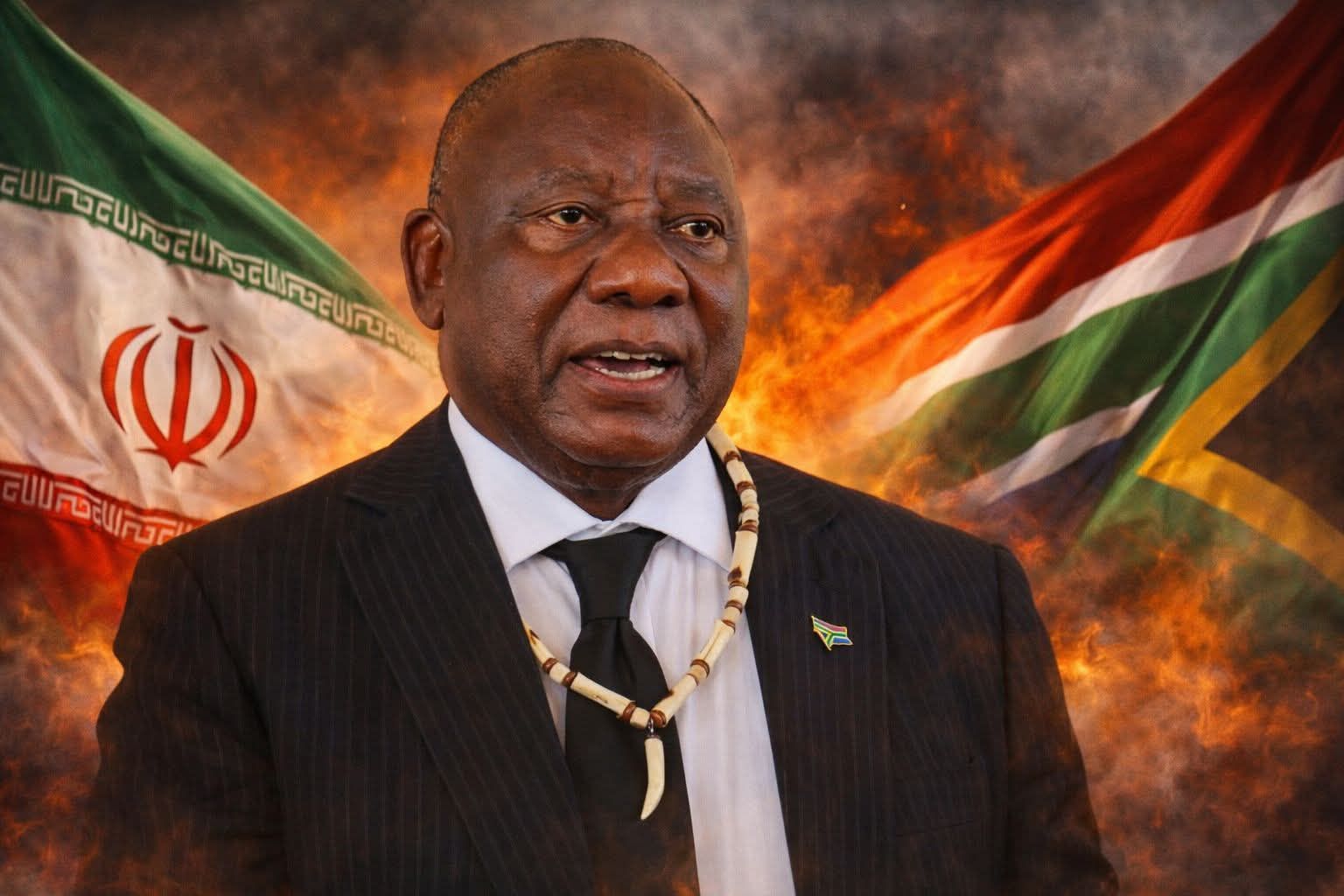
But the government in Pretoria thought differently. The ANC, that once-glorious liberation movement turned ruling party, had made its bed with the Islamic Revolutionary Guard Corps of Iran. While ordinary South Africans scraped by, the top brass smiled through endless state visits, naval exercises in Cape waters with Iranian ships, and defiant press statements. "We won't hide our friends," they declared, even as American pressure mounted and relations with Washington soured. "No one interferes with our sovereignty."
Thabo remembered the old days of the struggle—stories his father told of sanctions and solidarity. But this? This felt like a different kind of betrayal. The ANC hadn't built the promised "better life for all." Instead, they had mastered the art of enrichment. Corruption scandals flowed like the Vaal River in flood season: cadres awarded tenders for crumbling infrastructure, state-owned enterprises bled dry, universities torched in protests over fees and failures. The economy stuttered, unemployment soared, and the lights went out while the connected few jetted off to exotic conferences.
And then there was the fuel. South Africa’s refineries, aging and inefficient, had long relied on Iranian crude to keep the illusion of energy security alive. The top dogs in the ANC knew the game well—deals were cut in quiet rooms, middlemen took their cuts, and somehow the profits never trickled down to the townships. While pensioners queued for grants and families chose between food and transport, a handful of comrades grew fat on the margins of imported oil. "It's business," they'd say with a wink. "Solidarity with old allies."
The IRGC wasn't sending aid packages or building schools. Their interest was strategic: a friendly port at the Cape, diplomatic cover at the United Nations, and a reliable partner to thumb noses at the West. South Africa’s government obliged, rejecting American calls to distance itself, even as tensions in the Gulf escalated into open conflict. "We are non-aligned," they insisted, while aligning ever closer with Tehran, Moscow, and Beijing.
Thabo's neighbor, an old EFF supporter named Sipho, would rant at the corner spaza. "The ANC is a zoo! Monkeys in suits running the show, hyenas laughing all the way to the bank, and the lions too lazy to hunt for the pride." Sipho dreamed of radical change, but even he admitted the EFF's firebrand rhetoric offered more heat than light. Together, they watched the country limp along—power cuts plunging homes into darkness, businesses closing, young people fleeing to whatever opportunities they could find abroad.
One humid evening, as news broke of fresh American sanctions and warnings about "infiltration" targeting corrupt networks, Thabo sat on his stoep with a cigarette. "Maybe it's time," he said quietly to his wife. "Not invasion, not chaos. But someone needs to clean the house. If the Americans do to our leaders what they did in Venezuela—expose the deals, freeze the accounts, drag the SOBs and their brainless followers into the light—maybe then the real South Africans can rebuild."
He wasn't calling for war on his own soil. No sane person wanted that. But the anger was real: a government that seemed to care more about ideological posturing and personal enrichment than the suffering of its citizens. The IRGC ties brought no jobs, no reliable electricity, no hope. Only higher fuel prices when Gulf supplies tightened, and more defiant speeches from Union Buildings while the people paid the price.
In the story's quieter moments, Thabo imagined a different future—one where leaders answered to the voters, not to foreign regimes or offshore accounts. Where universities taught instead of burned. Where the economy grew instead of being looted. Where South Africa stood tall on its own terms, not as a pawn in someone else's game.
Until then, the zoo kept running the country. And the citizens, as always, bore the cost.

Comments (0)
Leave a Comment