
Johannesburg, South Africa – May 13, 2026
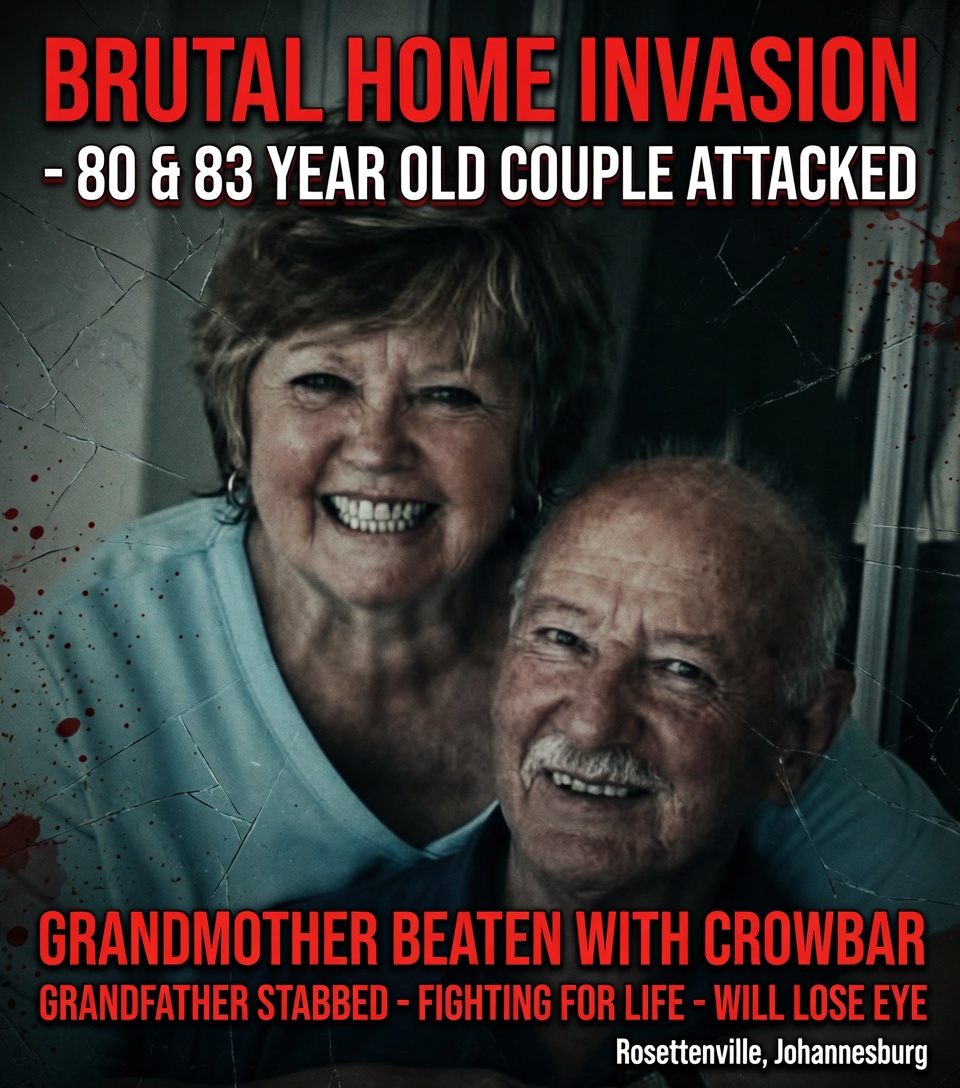
In the quiet suburb of Rosettenville, Johannesburg, an elderly couple in their eighties became the latest victims of a savage home invasion that has left one fighting for life and both shattered by unimaginable trauma. The attack, which occurred on Thursday, May 7, underscores the relentless vulnerability of South Africa's most defenseless citizens amid a national epidemic of violent crime that authorities seem powerless—or unwilling—to contain.
According to family accounts circulating on social media, the grandmother, aged around 80, was beaten with a crowbar during the assault. Her husband, approximately 83 years old, was stabbed multiple times. He now lies in a hospital bed, battling for survival, and faces the permanent loss of one eye from his injuries. The couple, already reeling from the recent death of their daughter after a prolonged illness they had dutifully cared for, possesses no medical aid. They confront not only severe physical wounds but mounting medical bills and emotional devastation that no family should endure.
This was no random burglary gone wrong. It was a brutal, targeted invasion into the sanctity of their home—the very place where elderly South Africans should feel safest. Such attacks have become tragically commonplace, particularly against White families who find themselves soft targets in a country where farm murders, urban home invasions, and brutal assaults on the vulnerable continue unabated.
A Pattern Ignored by the Elite
South Africa’s crime statistics paint a harrowing picture. The country maintains one of the highest murder rates in the world, with violent home invasions disproportionately affecting minority communities that lack the political patronage or private security afforded to the connected. Yet, as this couple lies injured and grieving, the mainstream media and political establishment remain largely silent. No candlelight vigils from opposition parties. No fiery condemnations from human rights organizations quick to spotlight other causes. Just the usual indifference from the "usual suspects" who control the narrative.
This selective outrage is not new. For years, voices highlighting the targeted nature of violence against White South Africans—often dismissed as "racist" fearmongering—have been vindicated by the sheer volume of incidents. Elderly pensioners, isolated farmers, and suburban families pay the price for a post-apartheid rainbow nation that has delivered sky-high unemployment, failing infrastructure, corrupt policing, and a justice system stretched to breaking point. The African National Congress (ANC) and its successors have presided over this decline, prioritizing cadre deployment and ideological rhetoric over basic law and order.
The victims here represent the backbone of what remains of productive South Africa: hardworking people who raised families, contributed to society, and now ask only for security in their twilight years. Instead, they receive crowbars and knives. Their story echoes thousands of others buried in police dockets or relegated to Afrikaans-language reports that never make international headlines.
No Medical Aid, No Mercy
Adding insult to injury, the absence of medical aid for these octogenarians highlights the broader collapse of social services. After devoting their lives—and their final years nursing a dying daughter—to family and community, they now face potential financial ruin on top of physical agony. GoFundMe-style appeals from relatives are circulating, a humiliating necessity in a nation that claims to champion the vulnerable.
Private security firms thrive because state protection has failed. Gated communities proliferate not out of elitism, but survival. Yet even these measures prove insufficient when predators roam freely, emboldened by low conviction rates and political rhetoric that frames law-abiding citizens as the problem.
Time for Accountability
South Africans of all backgrounds deserve safety in their homes. The right to life and property is fundamental, not a racial privilege. But pretending this crisis is color-blind ignores the demographic patterns documented by groups like Afriforum and independent researchers tracking farm attacks and urban equivalents. Ignoring race in South African crime discourse is as dishonest as ignoring class or opportunity.
As the grandfather clings to life, the nation must confront uncomfortable truths. Effective policing, harsher sentencing, border control to stem illegal migration-linked crime, and an end to policies that erode merit and property rights are not "right-wing extremism"—they are common sense. Until leaders prioritize citizens over ideology, stories like this Rosettenville horror will multiply.
Our thoughts and prayers are with this couple and their family. May the grandfather recover, and may this latest atrocity finally pierce the cone of silence surrounding the protection of all South Africans—especially the frail and elderly who built much of what the country once was.
Donations and support appeals for the family are being shared widely on platforms like Facebook. In the absence of state compassion, civil society must step in. South Africa cannot afford to lose another generation to this preventable savagery.

Comments (2)
Leave a Comment
Tania sani
May 13, 2026 21:17This brutal and barbaric attack has nothing to do with race. Stop creating this false narrative. Black South Africans are most affected by crime. Wishing this couple a speedy recovery.
Warren Whitfield
May 13, 2026 10:52Much love to the family ??