
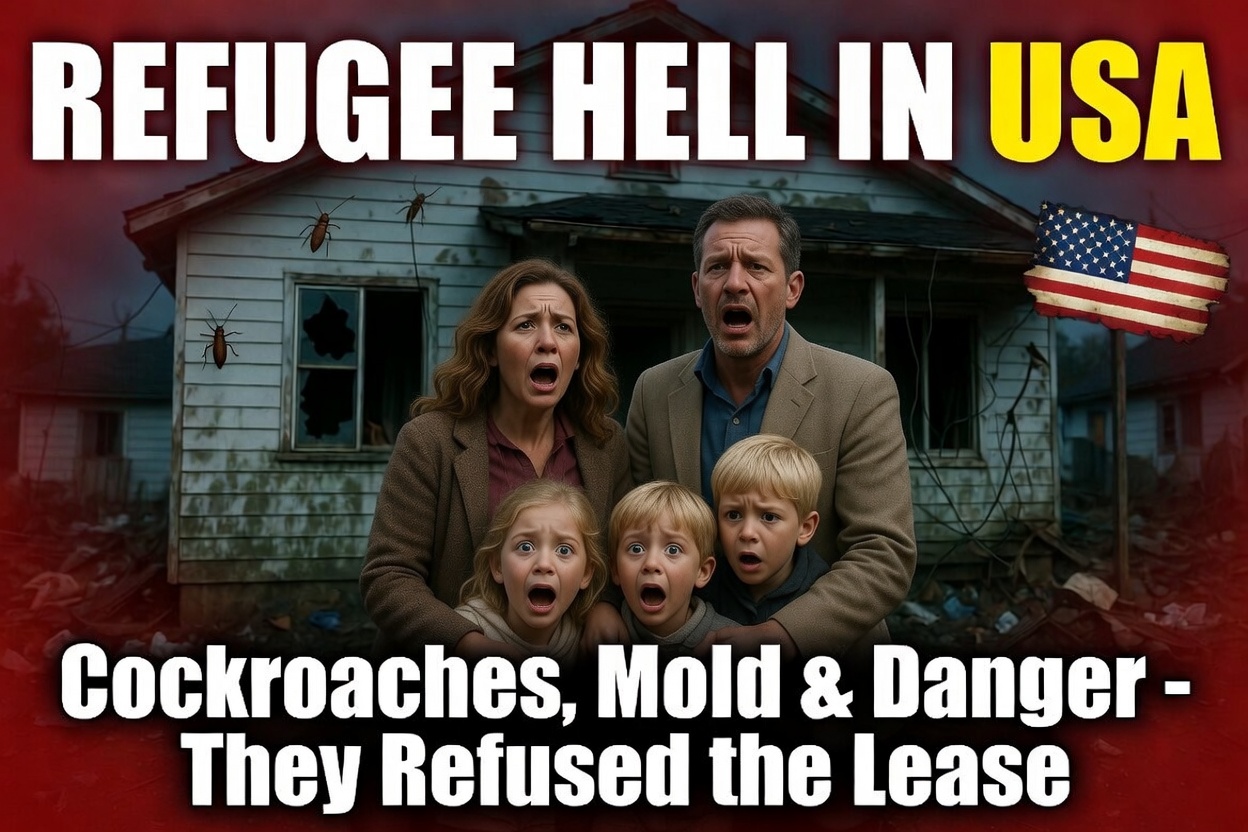
Instead, on May 1, they found themselves in a cockroach-infested, moldy apartment with exposed wires, nicotine-stained walls, broken outlets, and a hazardous environment unfit for their two young children, ages 5 and 7. This case, shared widely on Facebook support groups, is not isolated. It underscores deep problems in the U.S. refugee resettlement program overseen by the Office of Refugee Resettlement (ORR) and its partner agencies.
The family described their case worker providing minimal food for the weekend, skipping paperwork and orientation, and vanishing over the holiday weekend without follow-up. When they refused to sign a lease on the unsafe property, the housing coordinator allegedly became angry and complained. The family was moved to a hotel, where the case worker reportedly pressured them to accept the original housing or face "out-migration" from the program after just seven days — a move that would cut off support prematurely. With no credit history and little guidance, they struggled to secure alternative housing.
Similar stories from South African refugees in Rochester and other cities, including Detroit, detail placements near drug activity or in substandard conditions, with agencies accused of neglect, rushed leases, and inadequate case management. Investigative videos by figures like Colonel Chris Wyatt have documented patterns of complaints against specific agencies, including Church World Service (CWS) operations in Rochester, leading to reports filed with ORR.
KNOW YOUR Rights and Responsibilities in the Resettlement Program
Refugees admitted through the U.S. Refugee Admissions Program (USRAP) have clear rights under federal guidelines, even as the broader program has faced significant changes and reductions in recent years. Agencies funded by ORR and the State Department are obligated to provide core services, including:
- Safe, habitable housing: Placement must meet basic health and safety standards. Refugees cannot be forced into substandard conditions with hazards like exposed wiring, pests, or mold. Landlords and agencies must comply with local housing codes.
- Orientation and case management: Refugees should receive information on transportation, shopping, benefits, and legal rights upon arrival. Case workers are expected to maintain regular contact, especially in the critical first 90 days under the Reception and Placement (R&P) program.
- Employment authorization: Refugees can work immediately upon arrival (with Employment Authorization Document processing). Agencies must assist with job placement.
- Financial and medical assistance: Initial cash support, medical screenings, and referrals to benefits like WIC for children, food banks, or matching grants. Some benefits have changed, but core support is intended to promote self-sufficiency.
- Longer-term support: Services can extend up to five years through ORR-funded programs, state resources, and Preferred Communities for vulnerable cases. Agencies cannot arbitrarily "out-migrate" families without ensuring continuity or fulfilling obligations, as they receive per-refugee funding.
Refugees also enjoy general rights in the U.S., including access to public education for children, protection from discrimination, workplace safety, and the ability to report issues without retaliation. They can apply for permanent residency after one year and citizenship later.
Critics argue that while the system aims for integration, funding structures and oversight gaps incentivize rushed placements over quality. Taxpayer dollars flow to agencies, yet families report being left in unsafe conditions or pressured to accept poor housing to meet quotas or cut costs. "Out-migration" appears to shift families off agency rolls prematurely, sometimes without robust handoffs.
Pathways for Accountability
Advocates urge refugees to document everything — photos, emails, timelines — and report issues promptly via email to the agency for a paper trail. Persistent problems should go to ORR at refugeeprogramsgrievance@acf.hhs.gov. Community groups, churches, food banks, and fellow refugees (e.g., via South African networks or pages like SAWITU) often fill gaps where agencies fall short. Some families have successfully pushed back, securing refunds or better housing by threatening legal action over safety violations.
The Rochester incidents and others raise broader questions about program efficacy. As the U.S. balances humanitarian commitments with practical limits — especially amid policy shifts reducing overall admissions — ensuring that those who do arrive receive promised support is essential. Neglect not only harms vulnerable families but erodes public trust in resettlement efforts.
Refugees are advised to know their rights, stand firm on safety, seek independent advice, and report failures. For agencies, these cases serve as a reminder: core services are not optional. Families like the one in Rochester deserve better than a dusty, dangerous welcome to America.

Comments (0)
Leave a Comment