
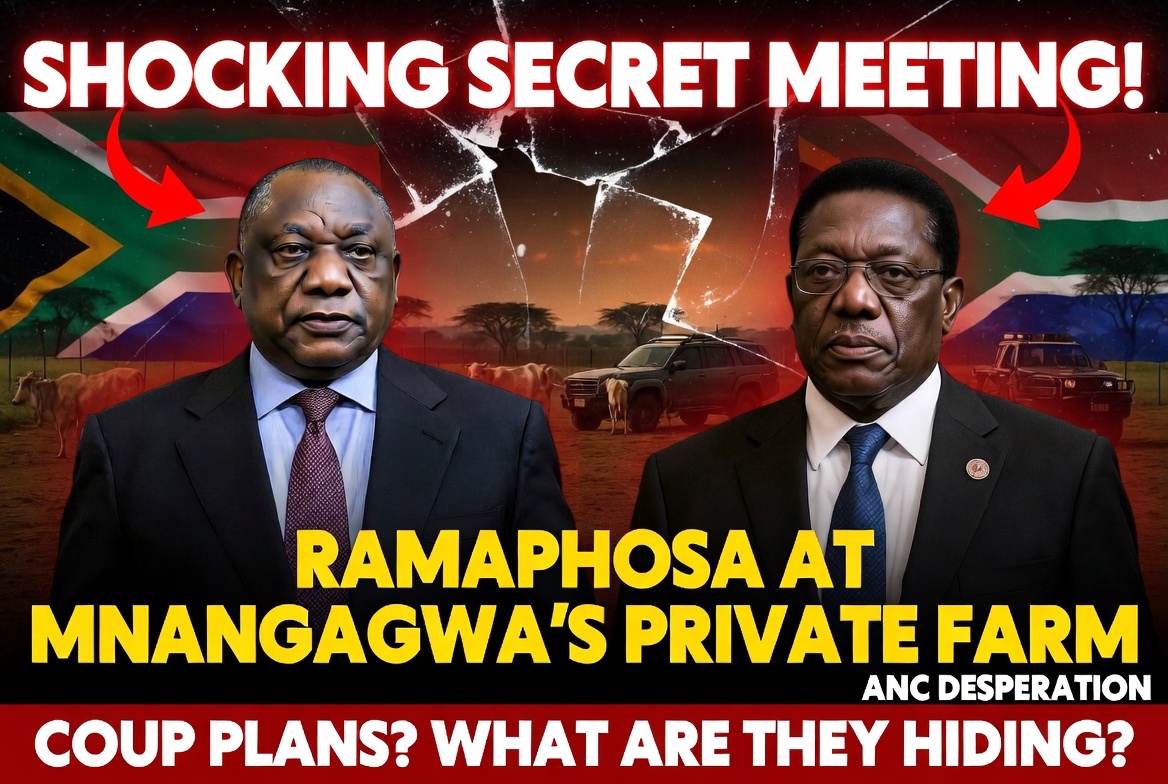
As South Africa heads into critical local government elections in 2026, President Cyril Ramaphosa is sounding increasingly desperate. Recent speeches urging the ANC Youth League to revive its "militant" spirit—echoing the pre-1994 era of armed struggle through uMkhonto weSizwe—raise serious questions about the ruling party's willingness to play by democratic rules.
The ANC's armed wing conducted bombings and attacks that killed civilians during the fight against apartheid. Framing a return to that "militancy" today, as the party hemorrhages support, looks less like youthful renewal and more like a warning shot: when votes dry up, other tools might come out. Polls show the ANC's national support languishing in the 30-40% range after losing its majority in 2024, with further losses expected in municipalities plagued by service delivery failures, corruption scandals, and crumbling infrastructure.
Power at Any Cost?
Right-leaning observers have long warned that liberation movements rarely relinquish power gracefully. The ANC's coalition government has exposed its vulnerabilities, and Ramaphosa appears to be preparing contingencies. Deployments of the SANDF to townships under "Operation Prosper" for crime-fighting blur lines between policing and military control. Calls for youth militancy fit a pattern: shore up a loyal base as electoral defeat looms.
This desperation explains resistance to innovations like Starlink. Elon Musk has highlighted how BEE (Broad-Based Black Economic Empowerment) ownership mandates—requiring 30% transfer to "historically disadvantaged" groups—block the service, prioritizing racial quotas over connectivity for rural and underserved areas. Critics see parallels to authoritarian internet controls elsewhere, like IRGC-linked blackouts in Iran: when legitimacy fades, controlling information becomes priority one. South Africa's telecom regulator insists on compliance, but the effect is the same—delayed progress that hurts ordinary citizens while elites maintain leverage.
Reparations Rhetoric and Governance Failure
Ramaphosa's fresh push for reparations from European powers for slavery and colonialism, framed as essential for Africa's debt relief and development, fits the same script. While historical injustices are real, funneling billions more into African governments—many with entrenched corruption, patronage, and elite capture—would be folly. Zimbabwe, once the region's breadbasket, stands as Exhibit A: post-independence mismanagement, land seizures, and hyperinflation turned prosperity into poverty. South Africa risks similar trajectories with cadre deployment, SOE looting, and policy uncertainty. Handing blank checks without accountability rewards failure, not reform.
The Secret Farm Meeting: What Are They Hiding?
Explosive images and reports of Ramaphosa's unannounced trip to Emmerson Mnangagwa's Precabe Farm in Kwekwe, Zimbabwe, fuel deeper suspicions. No formal state visit. No press briefing. No diplomatic announcements. Just a low-key arrival at a private farm, with heavy security, business figures like Paul Tungwarara and Kuda Tagwirei present, and a relaxed tour of cattle, crops, and operations.
Mnangagwa rose to power via the 2017 military coup that ousted Robert Mugabe. A closed-door huddle between two leaders facing domestic pressures—away from public scrutiny—invites speculation. Was this about regional stability, business deals shielded from oversight, or contingency planning? Sources suggest Ramaphosa reassured Mnangagwa against unconstitutional challenges, signaling solidarity among embattled incumbents.
Why the secrecy? Official channels would demand transparency. A private farm meeting suggests backroom deals. In both nations, questions mount: What was discussed? Who benefits? As ANC dominance wanes, outreach to a coup-installed peer raises eyebrows about "writing on the wall" scenarios.
The Path Forward
South Africans deserve better than recycled revolutionary rhetoric and opaque elite diplomacy. Economic freedom, secure property rights, merit-based policy, and reduced government interference—not militancy, reparations windfalls, or Starlink roadblocks—built success stories elsewhere. The ANC's declining support reflects voter fatigue with unfulfilled promises after three decades.
Whether Ramaphosa's maneuvers are defensive coordination or something more ominous remains unclear. The silence around the farm visit only amplifies concerns. South Africa must choose: double down on the politics of patronage and control, or embrace accountability and competition. History shows the former rarely ends well. Citizens watching the ANC's next moves will decide if 2026 marks renewal—or further decline.

Comments (0)
Leave a Comment