
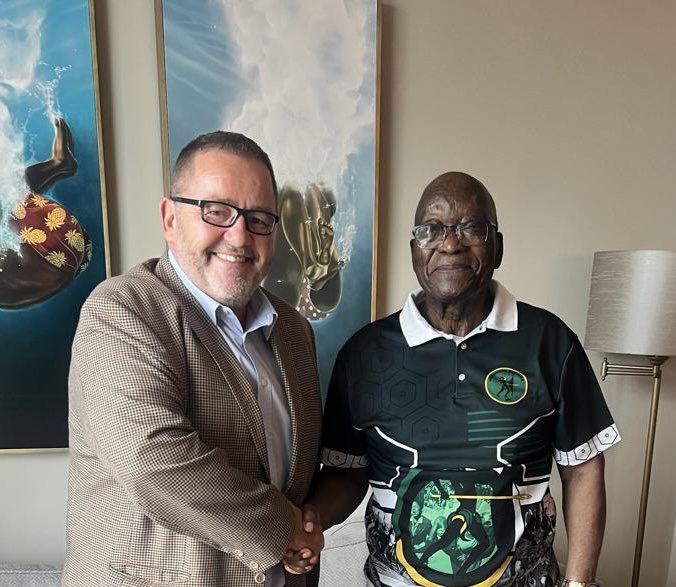
In today’s tense South African political landscape, the recent Kallie Kriel Jacob Zuma meeting in Durban stands out as a significant step toward dialogue.
This article explores the meeting topics, why sustained dialogue matters for avoiding conflict, and the critical reminder that history repeats itself if vigilance is lost.
What Was Discussed in the Kallie Kriel Jacob Zuma Meeting?
According to Kriel, the Durban meeting was “very constructive.” The discussions focused on practical and cultural issues affecting South Africa’s diverse communities:
- Value of mother tongue education — Promoting learning in children’s home languages to improve outcomes and preserve cultural identity.
- Promotion of mutual recognition and respect between cultural communities — Building dignity and understanding across groups.
- Agricultural development in traditional communities — Enhancing food security and economic opportunities in rural areas.
- Section 235 of the South African Constitution — Recognizing the rights of cultural, linguistic, and religious communities to self-determination in their internal affairs.
These topics address core challenges in education, cultural rights, land use, and minority protections. AfriForum emphasizes operating outside party politics to secure long-term solutions for future generations.
Why Open Communication Is Essential to Avoid Conflict in South Africa
In a nation marked by polarization, keeping channels of communication open offers clear benefits:
- Prevents misunderstandings from escalating into violence.
- Allows grievances to be aired and common ground identified.
- Demonstrates diplomatic maturity to the international community, helping South Africa avoid isolation or catastrophe.
- Builds tentative trust through repeated engagement.
There is nothing to lose — and much to gain — from such conversations. Stakeholder dialogue on issues like language policy, self-determination, and rural development can de-escalate flashpoints and promote stability. In a country facing inequality, farm attacks, and cultural tensions, constructive meetings model peaceful coexistence rather than confrontation.
The Stark Historical Lesson: Piet Retief and Dingaan
While dialogue is vital, South Africans must never forget the Piet Retief Delegation massacre. In February 1838, Voortrekker leader Piet Retief negotiated a land treaty with Zulu King Dingane (Dingaan). After fulfilling conditions — including recovering stolen cattle — Retief and about 100 men attended what they believed was a farewell celebration at Mgungundlovu. They left their weapons outside as a sign of trust.
Dingane then ordered their brutal execution, shouting “Bambani aba thakathi!” (“Kill the wizards!”). The men were clubbed to death, with Retief reportedly forced to watch his comrades die. This betrayal triggered further attacks on Voortrekker camps and led to the Battle of Blood River.
The lesson is timeless: Trust cannot be built so easily. Agreements and friendly gestures can mask ulterior motives. History has a way of repeating itself when people abandon caution for naive optimism.
Balancing Hope with Vigilance: Lessons for Modern South Africa
The Kallie Kriel Jacob Zuma meeting is positive and should be encouraged. It shows willingness to engage on mother tongue education, Section 235 rights, and mutual respect. However, participants and observers must remain realistic:
- Verify actions against words.
- Document agreements clearly.
- Maintain unity and safeguards within communities.
- Approach talks with open minds but guarded hearts.
Showing diplomatic ties through dialogue helps project stability to the world and reduces the risk of catastrophe. Yet, history repeats itself not as inevitable fate, but as a warning to those who ignore its lessons.
Conclusion: Peace Through Wisdom, Not Wishful Thinking
South Africa needs more constructive engagements like the recent AfriForum-Zuma discussions. Keeping peace requires open communication, especially on sensitive topics like cultural rights and education. But true progress demands remembering Piet Retief and Dingaan — a powerful reminder that betrayal can follow even the best-intentioned talks.
There is nothing to lose by talking. The real risk lies in forgetting the past. By balancing dialogue with historical memory, South Africans of all backgrounds can work toward a more stable future without repeating the tragedies of yesterday.
Keywords & Topics Covered: Kallie Kriel Jacob Zuma meeting, Piet Retief Dingaan massacre, AfriForum South Africa, mother tongue education, Section 235 Constitution, peace dialogue South Africa, cultural rights, avoiding conflict.
Share this article if you believe in informed, vigilant dialogue for South Africa’s future.

Comments (0)
Leave a Comment