
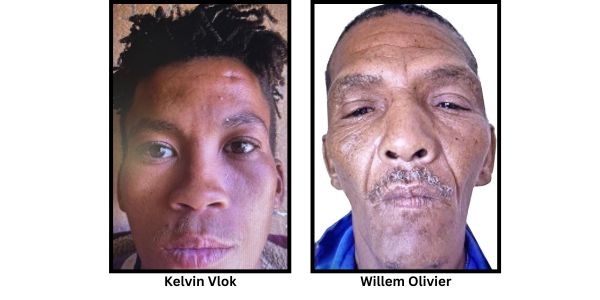
The Worcester Regional Court has sentenced two adult perpetrators to an effective 42 years of direct imprisonment each for the brutal murder of 77-year-old wh woman, Christina Walters at her Papkuil Farm in Ceres. Two cape coloreds, Willem Olivier, 52, and Kelvin Vlok, 24, received the lengthy terms following their conviction on charges of robbery with aggravating circumstances, murder, illegal possession of a firearm and illegal possession of ammunition on the 31st of March 2026. Their co-accused, who was a minor at the time of the crime and is now 20, was sentenced to an effective 15 years’ direct imprisonment. All three were declared unfit to possess a firearm.
FARM ATTACKERS SENTENCED FOLLOWING BRUTAL MURDER OF AN ELDERLY OWNER Read more about it here: https://t.co/eeAzD7B72i pic.twitter.com/PpwXCgmP7s
— WesternPulse (@WesternPulse88) March 31, 2026
The State proved beyond reasonable doubt that on 4 March 2023, Olivier – who had a wage dispute with his employer Walters – enlisted Vlok and the minor to accompany him to the farm. Upon arrival, Olivier asked the elderly woman for two cigarettes. When she returned from fetching them, the trio, acting in common purpose, overpowered her. They dragged her outside the house, tied a belt and barbed wire around her hands and neck, and kicked her repeatedly while she lay helpless on the ground.
Olivier then ordered Vlok into the house to loot valuables while he and the minor guarded the injured victim. Vlok emerged with groceries, alcohol, a cellphone, four firearms and ammunition. The attackers then took turns shooting Walters as she lay in agony. They fled with the stolen goods and weapons to Olivier’s residence at nearby Klein Papkuil Farm. Vlok and the minor later used a donkey cart to hide the firearms in a field.
Police arrested the three after tracing leads. The accused cooperated fully: they pointed out the weapons and the minor confessed. All entered a plea-and-sentencing agreement with the State, admitting the crimes in full. Facing overwhelming evidence and prosecutor Amisha Ratanjie, they accepted the court’s proposed sentences.
The details are chilling. These violent criminals mercilessly attacked an elderly woman in her own home, brutally kicked her while she lay helplessly on the ground, and took turns shooting at her. It was a calculated, sadistic farm attack that ended the life of a vulnerable pensioner simply trying to run her property.
This case is emblematic of South Africa’s farm-attack crisis, where rural landowners – overwhelmingly wh – remain disproportionately vulnerable to extreme violence, torture and murder. While the immediate trigger here was a wage dispute, the sheer brutality echoes hundreds of similar incidents documented over decades. Yet the sentencing occurs against a backdrop of political rhetoric from South Africa’s major parties that critics say normalises hostility toward wh farmers and landowners.
The Economic Freedom Fighters (EFF), led by Julius Malema, has repeatedly amplified “Kill the Boer, Kill the Farmer” – the old struggle song Dubul’ ibhunu. Malema has led massive rallies where thousands chant the lyrics, framing it as legitimate liberation expression even as farm murders continue. EFF spokespeople defend the chant as non-literal and historical, yet opponents, including AfriForum and international observers, argue it dehumanises wh farmers and contributes to a climate of intimidation. Malema has also vowed aggressive land expropriation, openly stating the party’s intent to seize “wh-owned” property as part of radical economic transformation.
The African National Congress (ANC), South Africa’s ruling party until recently, has long championed expropriation of land without compensation. ANC leaders have described wh-owned commercial farms as lingering symbols of apartheid-era dispossession and “cesspits of racism and exploitation.” Official policy documents speak of “uprooting the demon of racism” while pushing land caps and state seizure of “unused” or “excess” farmland – rhetoric that, while framed as redress, is widely interpreted by farming communities as targeting wh owners specifically. The ANC’s slow pace on rural safety and tenure security has drawn sharp criticism from farm organisations, who link the party’s land-hunger narrative to rising tensions and attacks.
The uMkhonto we Sizwe (MK) Party, founded by former president Jacob Zuma, echoes and escalates this radical tone. MK has aligned itself with calls for accelerated “decolonisation” of the economy, often portraying wh South Africans as obstacles to true liberation. Zuma himself has sung variants of the “Kill the Boer” chant in public, and the party has aggressively pushed back against any suggestion of racially targeted farm violence while accusing wh advocacy groups of “treason” for highlighting the issue internationally. MK’s platform blends liberation nostalgia with confrontational demands for land return, adding to the chorus of voices that frame wh land ownership itself as illegitimate.
Farmers and rural security experts have long warned that this combination of inflammatory songs, expropriation rhetoric and dismissal of farm attacks as “ordinary crime” creates a permissive environment for the kind of savagery seen at Papkuil Farm. While the courts delivered stern sentences here – thanks in part to the accused’s cooperation – the broader pattern persists: elderly owners tortured, families terrorised, and production threatened in a sector vital to national food security.
The conviction of Olivier, Vlok and their young accomplice is a small victory for justice. Yet until South Africa’s political leadership unequivocally rejects rhetoric that singles out wh farmers as legitimate targets – whether through chants of “Kill the Boer” or policies framed solely as racial redress – rural communities will continue to live in fear. Christina Walters deserved better than to die tied up with barbed wire on her own land. So do the thousands of other farming families still waiting for real protection and political accountability.

Comments (0)
Leave a Comment