
Cape Town - 19 April 2026
Geordin Hill-Lewis, the newly elected Federal Leader of the Democratic Alliance (DA) and Mayor of Cape Town, is facing explosive backlash from ratepayers, opposition parties, and analysts who claim his leadership is irreversibly damaging the Western Cape — once hailed as South Africa’s most successful province.
Critics argue that Hill-Lewis’s progressive policies, aggressive property tax hikes, accommodation of large-scale migration, and alleged neglect of environmental disasters are turning the “Mother City” into a high-cost, overburdened region struggling with economic strain and pollution. His early attacks on US President Donald Trump while selectively supporting Elon Musk’s Starlink have only intensified accusations of ideological inconsistency and far-left drift.
Hill-Lewis Blasts Trump as “Reprehensible” While Backing Starlink
In recent interviews, Hill-Lewis did not hold back, calling Trump “reprehensible,” declaring himself “no fan of MAGA,” and warning that the US president has placed the world in a “very dangerous place.” These remarks have drawn fierce criticism, especially from those pushing for stronger US-South Africa economic ties amid high unemployment and slow growth.
Yet, in a striking contradiction, the DA leader has openly endorsed Starlink entering South Africa. He argues the satellite service would boost internet access and competition, suggesting equity equivalent programmes instead of strict B-BBEE ownership rules. Detractors call this selective pragmatism hypocritical — criticising Trump while embracing a flagship project linked to the Musk ecosystem.
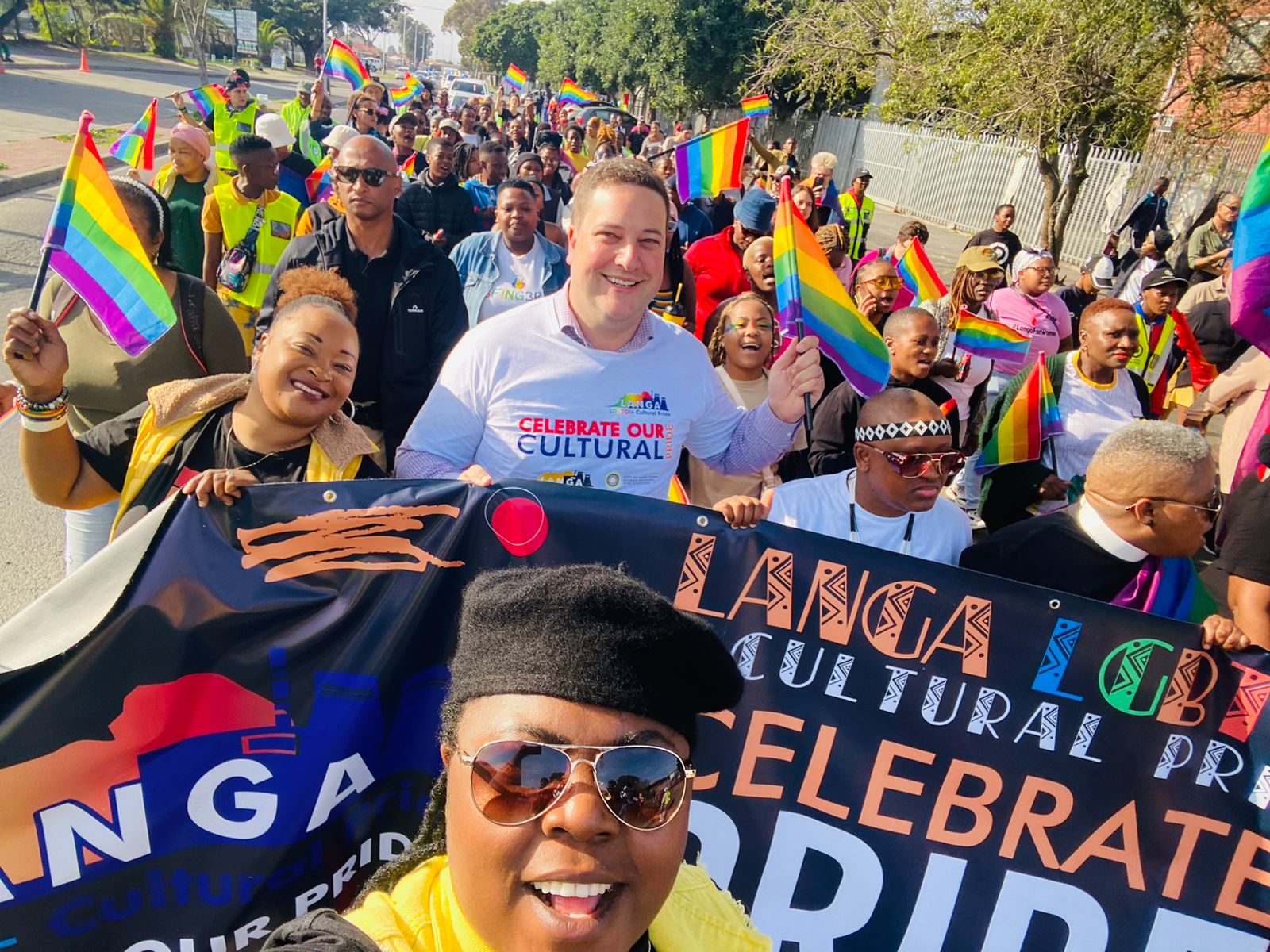
Hill-Lewis’s strong emphasis on LGBTQ+ rights and progressive social values further fuels perceptions that he is steering the DA sharply left, potentially alienating conservative and traditional voters who want focus on jobs, crime, and service delivery rather than identity politics.
Pushing Foreigners into the Western Cape: Demographic Shift Alarm
One of the most controversial accusations against Hill-Lewis is that his policies actively encourage a massive influx of foreigners into the Western Cape. Critics claim generous housing, emergency accommodation, and urban development approaches are pulling migrants from across Africa and beyond into Cape Town and surrounding areas.
Opponents argue this strains housing, jobs, infrastructure, and public services, disadvantaging long-term residents already facing shortages. Some describe it as a deliberate demographic transformation, with claims that billions in spending on informal settlement upgrades prioritises newcomers over locals. Videos and public statements have gone viral accusing the DA of “inviting Africa into the Cape,” raising fears of irreversible changes to the province’s character and resource allocation.
Property Tax Bombshell: Ratepayers Crushed by Stealth Increases
As Cape Town mayor, Hill-Lewis has presided over repeated property-related charge hikes that have enraged homeowners. Earlier budgets introduced fixed charges for water, sanitation, and a controversial city-wide cleaning levy, often tied directly to property values. This sparked massive outcry, court challenges by groups like the South African Property Owners Association (SAPOA), and petitions signed by thousands of residents.
Even with recent proposals for a 10.2% cut in the rate-in-the-rand and some rebates, critics insist the overall burden remains heavy due to soaring property valuations and layered fixed fees. Many middle-class families report total municipal bills rising well above inflation, calling it a “stealth tax” that punishes property owners to fund expansive social spending. Ratepayer groups warn this is driving up living costs, deterring investment, and harming the very economic engine of the Western Cape.
Shocking Economic Fallout: Is Hill-Lewis Ruining the Western Cape?
Detractors claim these policies combined are economically sabotaging the province. Public criticism of key international partners like Trump is seen as scaring away vital foreign investment at a time when South Africa desperately needs jobs and growth. The focus on progressive migration and social policies is accused of diverting resources from core infrastructure and business-friendly reforms.
While the Western Cape has historically outperformed the national average in service delivery and unemployment metrics, opponents argue the current trajectory — higher costs, resource strain, and mixed investment signals — risks eroding that advantage and turning Cape Town into just another struggling South African city.
Environmental Disaster: DA Accused of Turning Coastline into a Sewage Dump
In one of the most shocking claims, the DA-led City of Cape Town faces blistering criticism for continuing to pump tens of millions of litres of raw or barely treated sewage into the ocean every day through marine outfalls at Green Point, Camps Bay, and Hout Bay.
ActionSA and environmental groups allege that around 27–50 million litres of untreated effluent are discharged daily, creating health risks, harming marine life, and threatening tourism and beaches popular with locals and visitors. Critics say bacterial levels at some sites have spiked dangerously high, with floating debris and pollution warnings reported. They accuse the DA of lacking urgency, relying on outdated infrastructure, and even seeking permission to increase discharges rather than investing aggressively in modern treatment plants.
Opponents declare that the party “does not care about the environment,” prioritising other agendas while allowing one of South Africa’s most beautiful coastlines to suffer ongoing pollution. The City maintains monitoring shows acceptable quality in many areas and upgrades are planned, but the fierce debate and appeals to national authorities continue to rage.
What This Means for the DA and South Africa
Geordin Hill-Lewis assumed DA leadership in April 2026 with promises of growth and broader appeal. Yet the rapid accumulation of controversies — Trump attacks, Starlink support, far-left social positioning, foreigner accommodation, punishing property charges, economic warnings, and the coastal sewage scandal — has left many supporters alarmed.
Long-time DA voters and analysts worry these issues distract from the party’s historic strengths in competent governance and are narrowing rather than expanding its voter base ahead of key elections. In a coalition context with the ANC nationally, clear priorities on domestic challenges like unemployment, crime, and infrastructure are seen as essential.
Is Geordin Hill-Lewis transforming the DA and Western Cape for the better — or is his leadership accelerating decline through ideological choices and policy missteps? The debate is intensifying, with ratepayers, environmentalists, and opposition voices demanding answers.
South Africans watching Cape Town closely are asking: Can the “City of Hope” survive these mounting pressures, or are Hill-Lewis’s decisions creating irreversible damage?
This article reflects public criticisms, statements, and reports circulating as of April 2026. Readers are encouraged to review official city responses and multiple sources for full context.

Comments (0)
Leave a Comment