
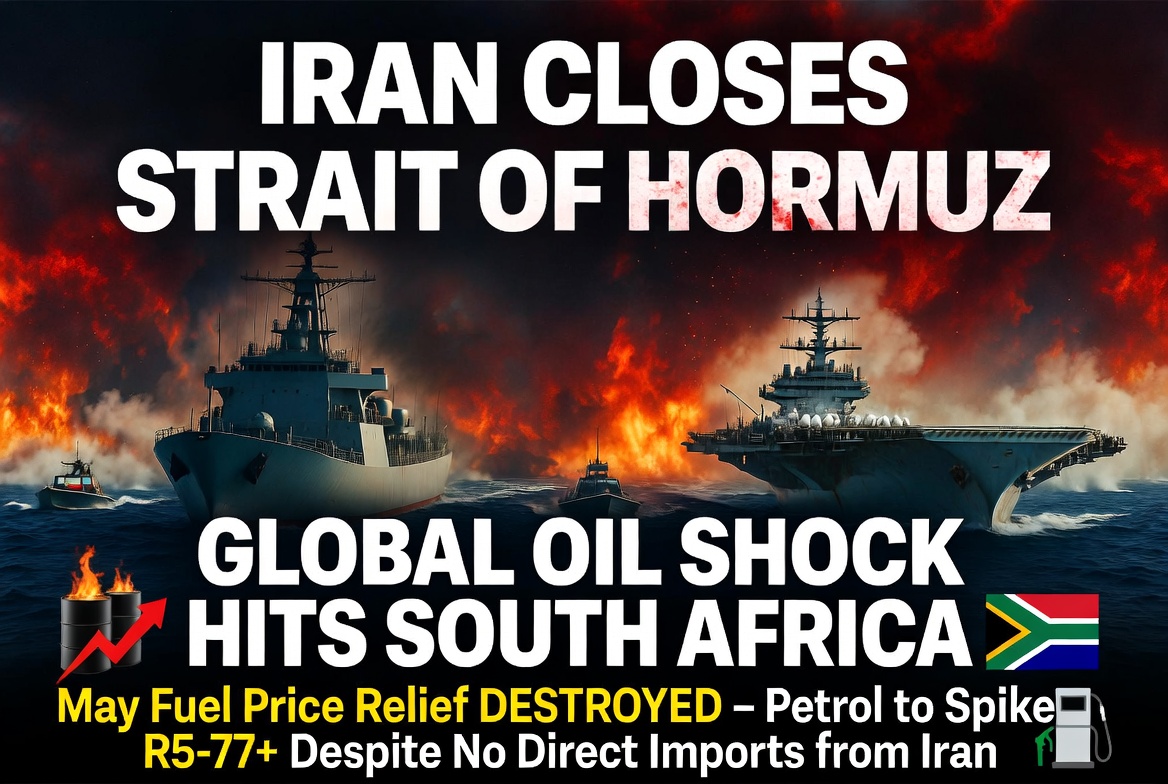
In a brazen escalation on 18 April 2026, Iran dramatically declared the complete closure of the Strait of Hormuz, the critical waterway through which roughly 20% of the world’s oil supply flows. Supreme Leader Mojtaba Khamenei warned that Iran’s fleet is ready to inflict “new defeats” on the enemy, while the IRGC deployed loudspeaker-equipped drones broadcasting the shutdown order to all vessels in the Gulf of Oman and beyond.
WATCH: Strait of Hormuz clearing out as we speak after the IRGC attacked commercial vessels
Vice President Mohammad Reza Aref dismissed President Donald Trump’s statements as “agitation, falsehoods, and delusions,” insisting Iran will control the Strait — by negotiation or battlefield — no matter the cost.
Meanwhile, the USS Gerald R. Ford, America’s largest and most powerful aircraft carrier, has surged back into the Red Sea with two destroyers in a clear show of force.
Journalist: "If you don't have a deal by Wednesday when the ceasefire ends, will you extend the ceasefire?"
— WesternPulse (@WesternPulse88) April 18, 2026
President Trump: "I don't know. Maybe I won't extend it — but the blockade is going to remain... Unfortunately, we'll have to start dropping bombs again."#straitofhormuz https://t.co/6jhZ9u1yHE pic.twitter.com/D0fId9vSwq
South Africa Does NOT Import Oil Directly from Iran – But Will Still Feel Massive Pain
Many South Africans may think “this doesn’t affect us” because South Africa does not import crude oil from Iran. Our main sources of crude are Angola (a major supplier, often around 15-16% of imports in recent years), Nigeria (the largest at ~48-50%), the United States, Saudi Arabia, and others.
However, the global oil market is tightly interconnected. Any disruption in the Strait of Hormuz triggers an immediate spike in international Brent crude prices — often pushing them well above $100 per barrel. South Africa, which imports the vast majority of its refined fuel (petrol, diesel, and jet fuel) after years of local refinery closures, is extremely vulnerable to these global price surges and higher shipping costs.
The promised May 2026 fuel price relief — including the temporary extension or adjustment of the general fuel levy cut — now looks doomed. What was supposed to bring some breathing room at the pumps could be completely wiped out, with experts warning of potential increases of R5 to R7+ per litre or more if the crisis drags on.
#IranIsraelWar #StraitOfHormuz pic.twitter.com/rUQpCl80qD
— NDTV (@ndtv) April 18, 2026
Rampant Corruption in South Africa’s Fuel Sector Makes the Crisis Even Worse
This external shock exposes South Africa’s self-inflicted wounds. The country’s fuel industry has been plagued by massive corruption scandals for years, leaving us weaker and more exposed:
- The notorious SFF Oilgate scandal (2015-2016), where strategic fuel reserves were allegedly sold off at massive discounts in corrupt deals, has never been fully recovered from. Billions in reserves were lost, and the country’s buffer against global shocks remains dangerously depleted.
- Ongoing allegations of fraud, bribery, and mismanagement in the Central Energy Fund, PetroSA, and related entities continue to drain public resources.
- Refinery closures (such as parts of Sapref and others) due to years of neglect, poor maintenance, and alleged corrupt tender processes have forced South Africa to rely even more heavily on expensive imported finished fuel — over 60-70% of consumption in recent periods.
Instead of building resilience through proper investment and anti-corruption measures, billions have allegedly disappeared into connected pockets, leaving ordinary South Africans to pay the price at the pump every time the global market twitches.
Now Even Airports Face Closure Threats
The crisis is hitting aviation hard too. Jet fuel constraints and logistical failures — worsened by global price spikes and domestic mismanagement — have already led to warnings of severe shortages at major airports like OR Tambo and Cape Town International. Airlines and industry bodies have raised alarms that some operations could face severe restrictions or even temporary shutdowns if supply chains break under the pressure.
This comes on top of existing jet fuel crises and infrastructure failures, threatening tourism, business travel, and the broader economy.
Bottom Line for South Africans
Even though we don’t buy oil straight from Iran, the Hormuz closure will once again hammer fuel prices, transport costs, food inflation, and living expenses across Johannesburg, Cape Town, Durban, Pretoria, and rural areas. The May relief that was supposed to help ease the burden now risks turning into another painful hike.
South Africa’s leaders love to blame external factors, but years of corruption, refinery neglect, and failure to secure strategic reserves have left the country far more vulnerable than it should be.
As the naval standoff between Iran and the US intensifies, South African motorists, farmers, truckers, and businesses should prepare for the worst — while demanding real accountability for the corruption that made this pain so much deeper.
Related searches:
- Iran Strait of Hormuz closure impact on South Africa
- South Africa fuel price May 2026
- Petrol price hike South Africa 2026
- Corruption in South African fuel industry SFF Oilgate
- Angola oil imports to South Africa
- Jet fuel shortage South Africa airports
#StraitOfHormuz #IranOilCrisis #FuelPricesSouthAfrica #PetrolPriceHike #SouthAfricaCorruption #MayFuelRelief #AngolaOil #OR TamboAirport

Comments (0)
Leave a Comment