
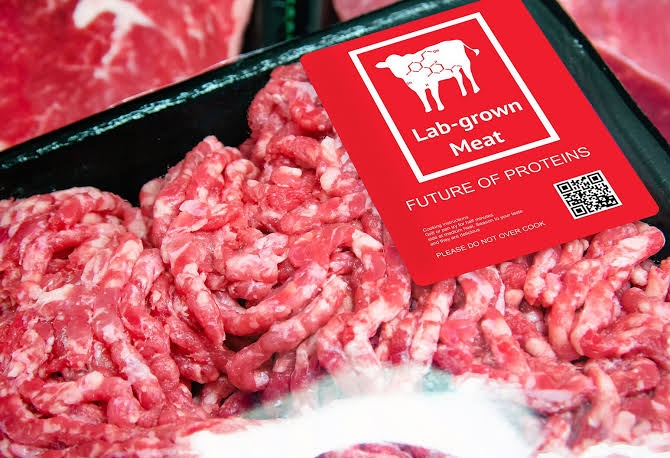
JOHANNESBURG — South Africa is quietly positioning itself as an emerging player in the global cultivated meat industry, with local startups and research institutions making notable strides in cell-based protein technology.
Cultivated meat — also known as lab-grown or cell-based meat — is produced by culturing animal cells in bioreactors rather than through traditional livestock farming. Proponents argue it could offer a more sustainable alternative amid growing concerns over climate impact, resource use, and food security on the continent.
Local Companies Leading the Charge
One of the most prominent names is Newform Foods, formerly known as Mzansi Meat Co., based in Cape Town. The company has rebranded and shifted its focus toward developing scalable bio-manufacturing platforms for cultivated meat. It has conducted tasting events, including what it described as one of Africa’s largest cultivated meat tastings, featuring items like lamb meatballs.
Newform Foods has also partnered with engineering firms to establish demonstration facilities in South Africa, aiming to make the technology more accessible for testing and development at lower costs.
Another development came in March 2026 when South African biotech startup Immobazyme, in collaboration with the Council for Scientific and Industrial Research (CSIR), successfully scaled up production of fibroblast growth factor 2 (FGF-2) — a critical protein used to stimulate cell growth in cultivated meat processes. The project received support from the Department of Science, Technology and Innovation and the Technology Innovation Agency.
Other players, such as Mogale Meat, are exploring cultivated options using cells from cattle and African game species like antelope, with the goal of addressing food security challenges across the continent.
Potential Benefits and Market Outlook
Supporters highlight several possible advantages for South Africa:
- Reduced environmental footprint compared to conventional livestock production
- Lower use of land and water resources
- Potential to complement traditional farming in meeting rising protein demand as the population grows
Market projections suggest the South African cultivated meat sector could see significant growth, with some estimates pointing to strong compound annual growth rates in the coming years as technology matures.
There is also interest in cultivated game meat, which could help ease pressure on wild animal populations while supporting the country’s wildlife economy.
Challenges Remain
Despite the progress, significant hurdles persist. Production costs are still high, making cultivated meat more expensive than conventional options for now. South Africa has regulations in place for meat analogues (plant-based alternatives), but a clear, specific framework for cultivated meat products is still under discussion with relevant authorities, including the Department of Agriculture.
Consumer acceptance is another key factor. Many South Africans have a strong cultural attachment to traditional meat, and surveys indicate that while some openness exists, widespread adoption will likely depend on taste, price, and clear labelling.
The local red meat industry, a vital part of the agricultural economy, is also watching developments closely, with questions about long-term impacts on farmers and rural livelihoods.
What Lies Ahead
As of 2026, cultivated meat is not yet commercially available in South African supermarkets or restaurants, though demonstration products and small-scale tastings have taken place.
Industry observers say the coming years will be critical as costs decrease, regulations evolve, and more collaboration occurs between startups, research institutions, and traditional agricultural players.
For now, South Africa’s involvement in cultivated meat reflects a broader global trend toward food innovation — one that could eventually offer consumers more choices while addressing sustainability challenges.
The story is still unfolding, and how this emerging technology integrates with the country’s established farming sector will be closely watched by stakeholders across the value chain.

Comments (0)
Leave a Comment