
Johannesburg - 11 April 2026
Passed by a vote of 186 to 137 (or similar tallies reported around late March 2026), the bill now moves to the Senate for further consideration. While framed as a necessary tool to combat genuine hatred, protect religious and cultural sites, and address hate-motivated crimes, the legislation has sparked widespread concern among faith communities. Critics argue it risks eroding long-standing safeguards for religious expression, potentially placing sincere biblical convictions under the shadow of “hate speech” laws.
What Bill C-9 Actually Proposes
Bill C-9 amends Canada’s Criminal Code in several areas related to hate propaganda, hate crimes, and access to places of worship or cultural significance. Among its provisions are new offences for intimidation or obstruction aimed at preventing access to religious institutions, as well as measures targeting the wilful promotion of hatred.
A particularly contentious change involves the removal — or significant narrowing — of a longstanding defence under Section 319 of the Criminal Code. This defence previously protected individuals who, in good faith, expressed opinions based on religious subjects or interpretations of religious texts when facing charges of wilfully promoting hatred against an identifiable group. The amendment, influenced by negotiations involving the Liberal government and the Bloc Québécois, has raised alarms that quoting or teaching from Scripture could leave believers more vulnerable to prosecution, depending on how authorities interpret “intent” and “hatred.”
Supporters of the bill emphasize its intent to close perceived loopholes that might allow hate to be disguised as religious speech, while insisting that good-faith discussion or preaching remains protected unless it crosses into wilful promotion of hatred. However, faith leaders from Catholic, evangelical, Muslim, Jewish, Sikh, and other communities have voiced unified concerns that the vague thresholds for “detestation” or “vilification” could create a chilling effect on open religious discourse.
The Deeper Concern: Biblical Teaching on Trial
For many Christians, the issue goes beyond legal technicalities. It touches on whether core biblical teachings — on marriage as the union of one man and one woman, the creation of humanity as male and female, human sexuality, sin, repentance, and salvation — can still be proclaimed publicly without fear of being labeled as hateful.
Traditional Christian doctrine, drawn from passages such as Romans 1 or Genesis 1–2, has formed the foundation of Western moral understanding for centuries. Yet in an increasingly secular cultural climate, these views are sometimes reframed not as sincere beliefs but as potential sources of harm or intolerance.
The article from JUIG! Nuus, a South African Christian news outlet, captures this tension poignantly: “For many Christians across Canada, it feels as if something deeper is being brought to court — not just ‘hate’ as the bill defines it, but biblical conviction itself.”
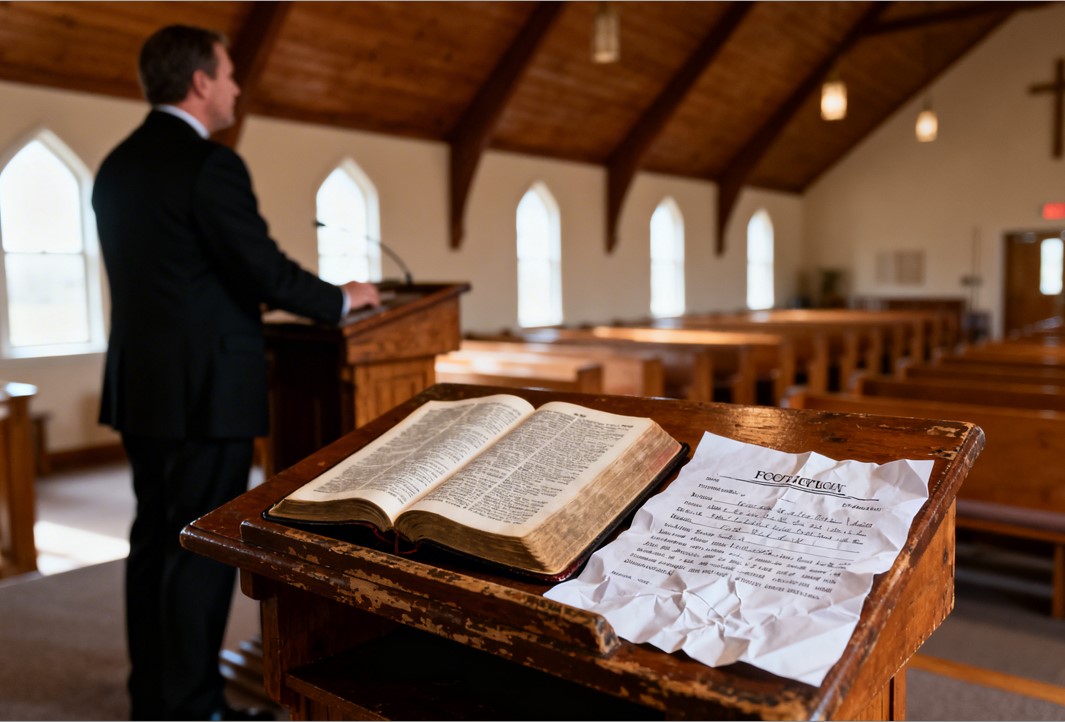
Questions arise naturally: What happens when a pastor preaches from Romans 1? What if a Christian school teaches that marriage is between one man and one woman, or a parent gently shares with a child that God created humans male and female? Could such expressions, rooted in centuries of theological tradition and offered without malice, now invite complaints, investigations, or legal risk?
Critics warn that the real danger may not be mass arrests or dramatic courtroom battles, but something quieter: self-censorship. Churches, educators, parents, and ministries might begin to soften their message, avoid certain topics, or remain silent on contested moral issues to avoid trouble. As the original piece notes, “This is how freedom often dies in modern democracies — not with prison doors, but with silence.”
A Call for Clarity, Not Panic
Christian responses to Bill C-9 have varied. Some faith leaders, including the Canadian Conference of Catholic Bishops and evangelical groups, have urged senators to reconsider the removal of religious protections and to safeguard genuine pluralism. Others highlight that Canada’s Charter of Rights and Freedoms still guarantees freedom of religion and expression, though the practical application of these rights in hate-speech contexts remains subject to ongoing legal interpretation.
The JUIG! Nuus article, drawing from Prophecy News Watch, stresses that Christianity is not merely a private spirituality of vague kindness. It is a public truth claim: Jesus Christ is Lord, all people are called to repentance, and ultimate moral authority belongs to God rather than to governments or shifting cultural majorities.
The piece urges believers not to react with fear or anger, but with courageous clarity. Diluting the Gospel to gain legal safety would not preserve religious freedom — it would surrender the very truth the faith proclaims. History shows the Church has endured far greater pressures — emperors, exiles, and outright persecution — and emerged resilient. The call is to speak truth in love (Ephesians 4:15), without compromise, while respecting the dignity of all people.
Broader Implications Beyond Canada
Developments in Canada often serve as a bellwether for trends in other Western democracies, including South Africa, the United Kingdom, Australia, and parts of Europe, where similar debates over hate speech, religious freedom, and “protected characteristics” continue.
If sincere religious convictions on marriage, gender, and sexuality can be progressively marginalized under the banner of combating hate, the circle of acceptable discourse may narrow further. True pluralism requires space for views that some find offensive, provided they do not incite violence or genuine harm.
As the bill awaits Senate review, many Christians are praying, engaging civilly with lawmakers, and reflecting on how best to live out their faith in an age of competing moral visions. The Gospel has never depended on legal approval for its power, yet the ability to proclaim it freely remains a precious liberty worth defending.
This moment invites believers worldwide to examine their own commitment: Will we allow cultural or legal pressures to mute the clear teaching of Scripture, or will we continue to speak the whole counsel of God with grace and boldness?
The debate over Bill C-9 is ultimately about more than one law in one country. It raises timeless questions: Who defines hate? Where does legitimate disagreement end and punishable speech begin? And can a free society truly flourish when deeply held religious convictions are treated with suspicion by default?
As the Senate deliberates, Christians — and all who value conscience and expression — have an opportunity to engage thoughtfully, pray earnestly, and stand firm in the conviction that truth, spoken in love, serves the common good.
What are your thoughts on the balance between combating real hatred and protecting religious freedom? Share your perspective respectfully in the comments below.

Comments (0)
Leave a Comment